Explore our premium product portfolio tailored for global distributors, commercial brands, and enterprise sourcing networks.
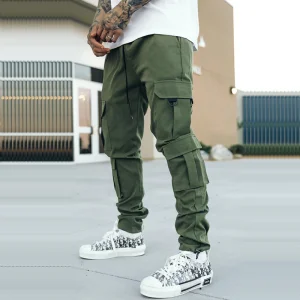
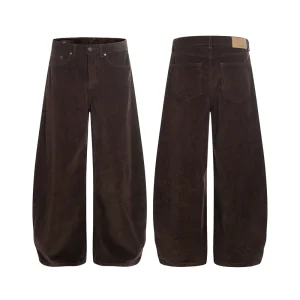
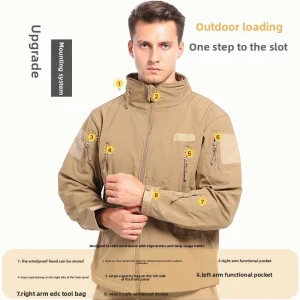
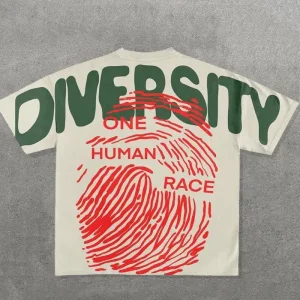
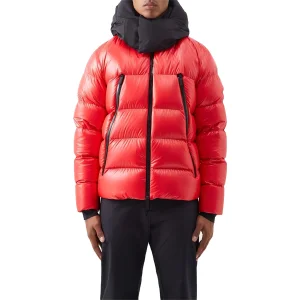
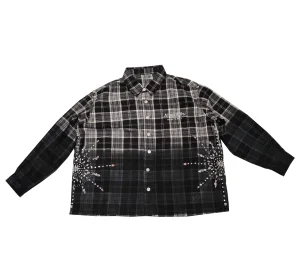
Unlocking information increment, structural parameters, and technical benchmarks across the global garment supply network.
In the contemporary landscape of global apparel procurement, the Chino Trousers category represents a multi-billion dollar market segment that demands an intricate blend of military-grade durability, sportswear comfort, and premium sartorial tailoring. Originating in the mid-19th century for British and French military units, modern chino manufacturing has undergone a profound technological transformation. Today's commercial sourcing directors do not merely seek a basic sewing facility; they require structured entities that leverage complex fabrications, computerized cutting systems, sustainable dyeing techniques, and responsive logistics infrastructure.
From an engineering perspective, a true chino trouser is defined by its tight diagonal twill weave (commonly 3/1 or 2/1 twill), typically utilizing combed cotton yarns. In modern apparel supply chains, these cotton fibers are frequently blended with elastane (spandex) to achieve mechanical stretch, or with technical synthetic polymers to introduce moisture-wicking, anti-crease, and water-repellent performance vectors. Consequently, the identification of a top-tier Chino Trousers Factory necessitates evaluating cleanroom manufacturing conditions, fabric-washing facilities, and strict adherence to zero-discharge hazardous chemicals (ZDHC) guidelines.
A multidimensional scorecard to audit manufacturer compliance, vertical integration, and technical machinery.
The best factories maintain raw material reserves and partner with premium mills to supply certified GOTS organic cotton and recycled elastanes, providing seamless fabric traceability.
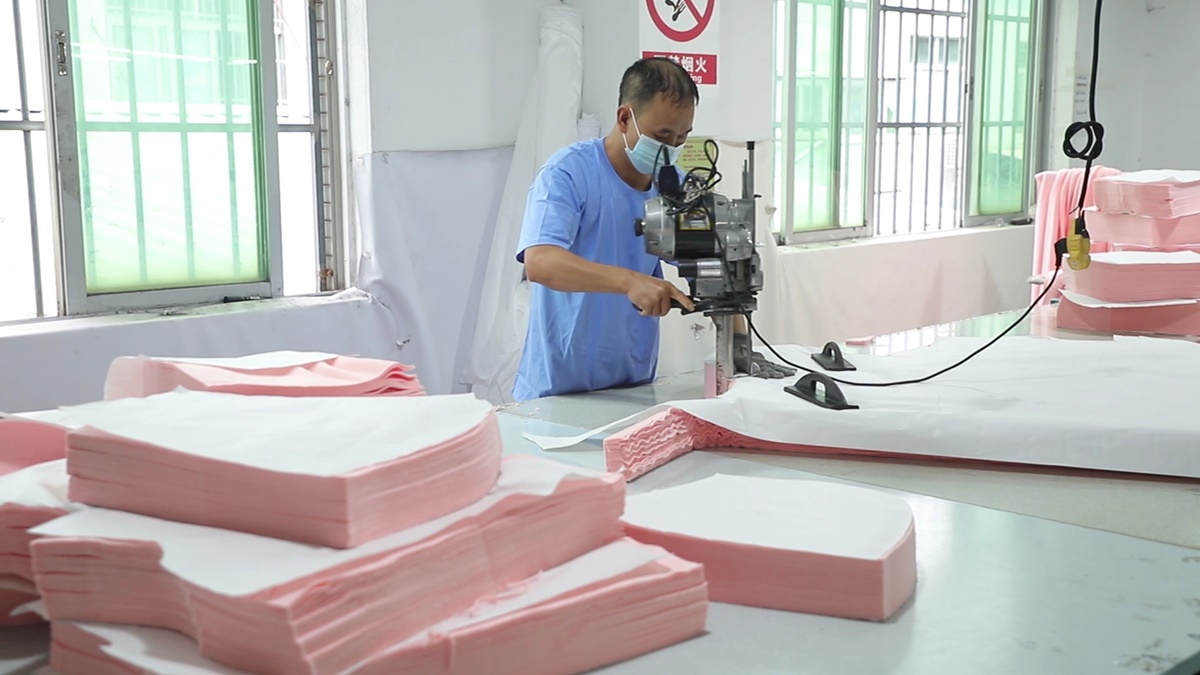
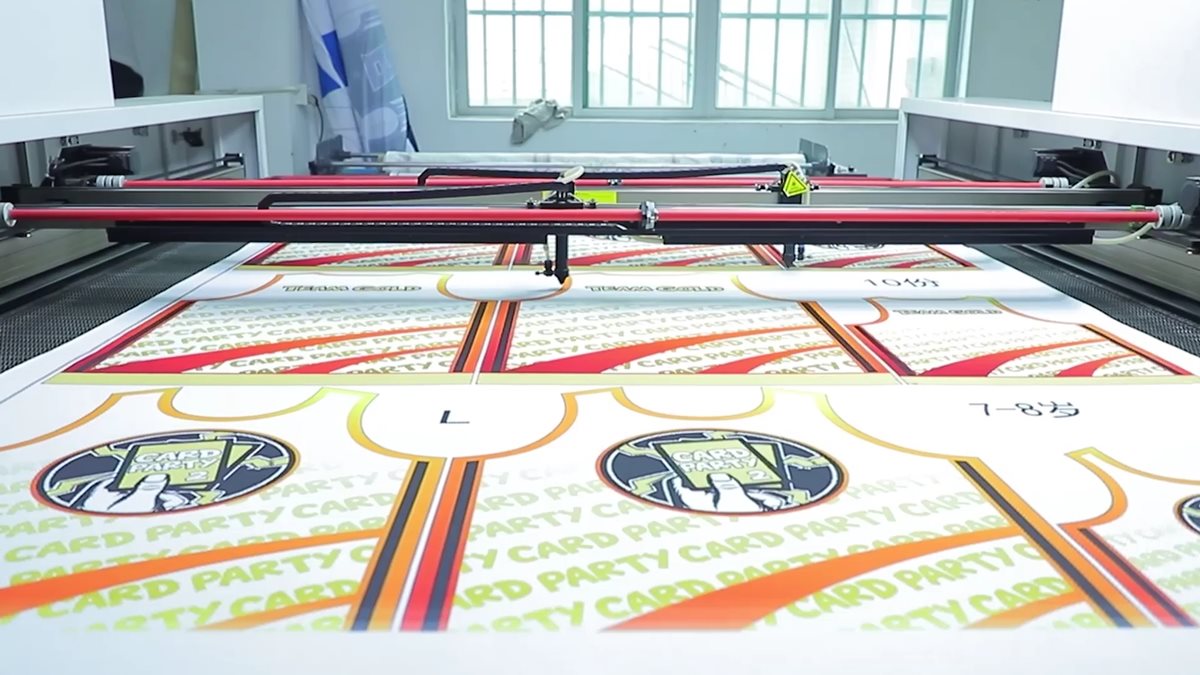
Using 2D/3D CAD platforms allows factories to simulate fabric drape, stretch, and shrinkage properties prior to physical fabric cutting, eliminating waste and shortening cycles.
Leading facilities mandate multiple checkpoints, featuring continuous checking lines, needle detector sweeps, tension stress evaluations on waistband stitching, and colorimetric light boxes.
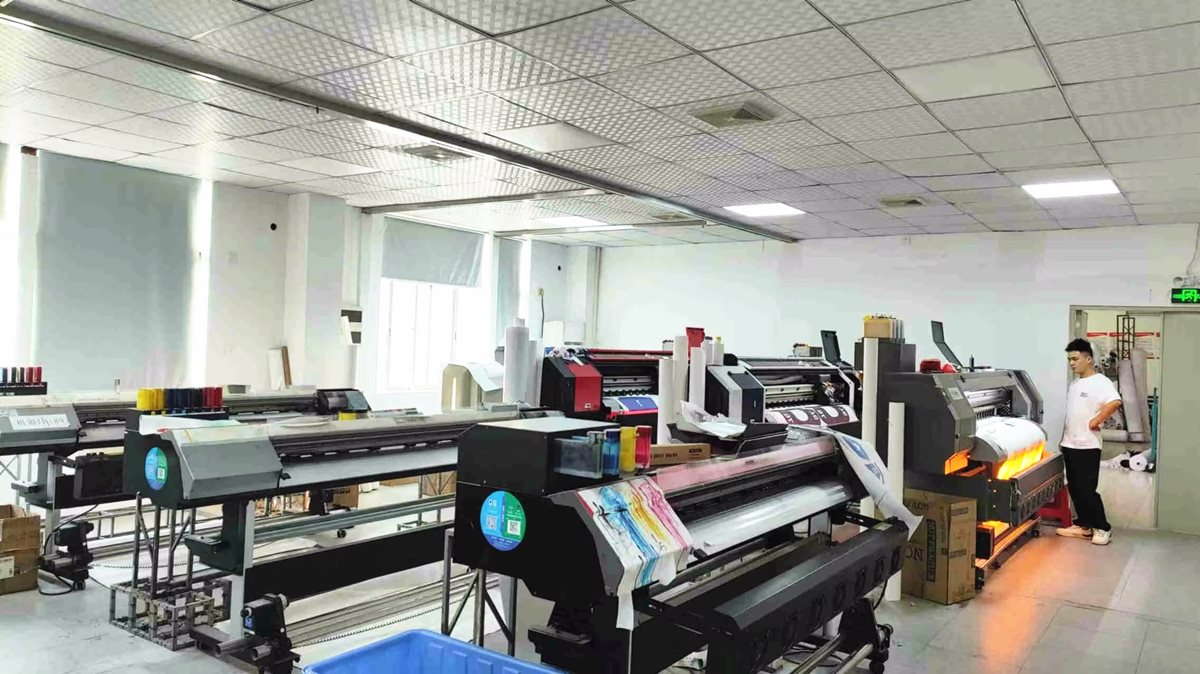
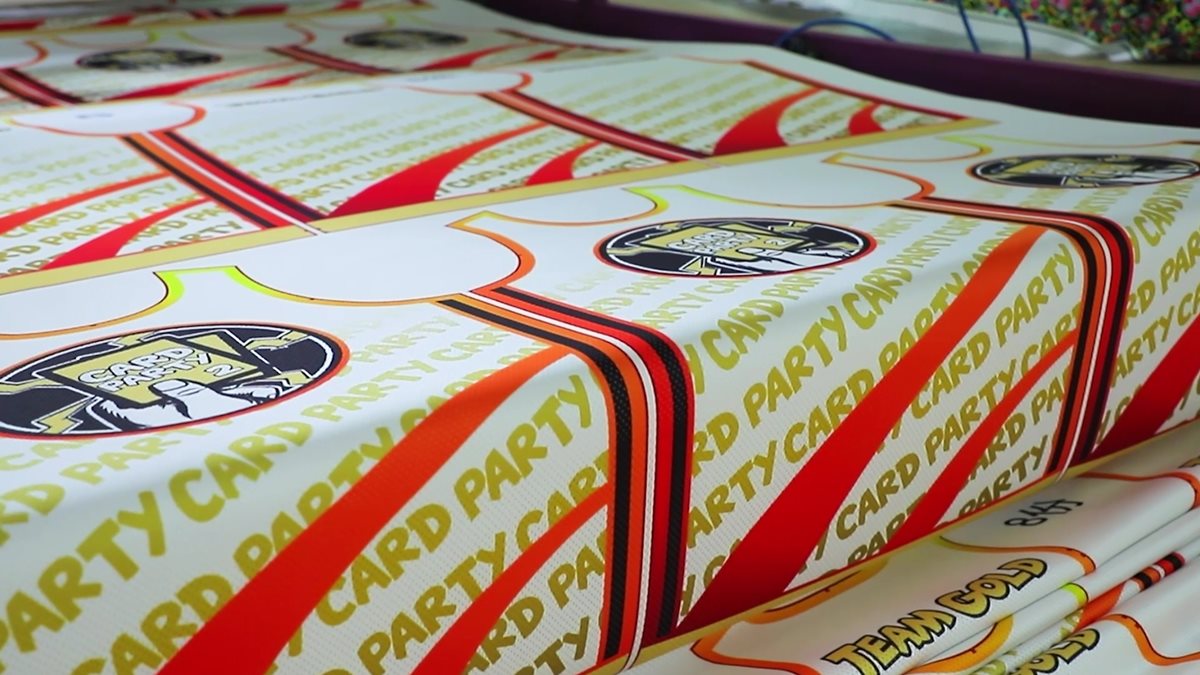
A transparent overview of the standard manufacturing phases required to turn raw textile rolls into retail-ready chino trousers.
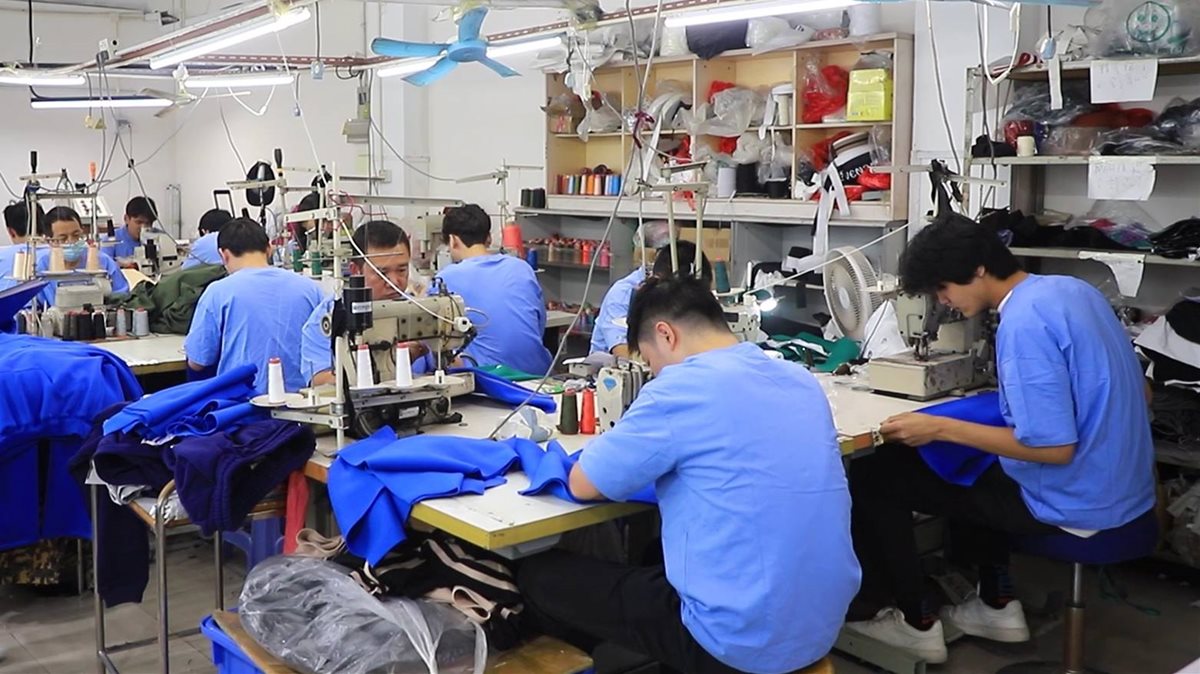
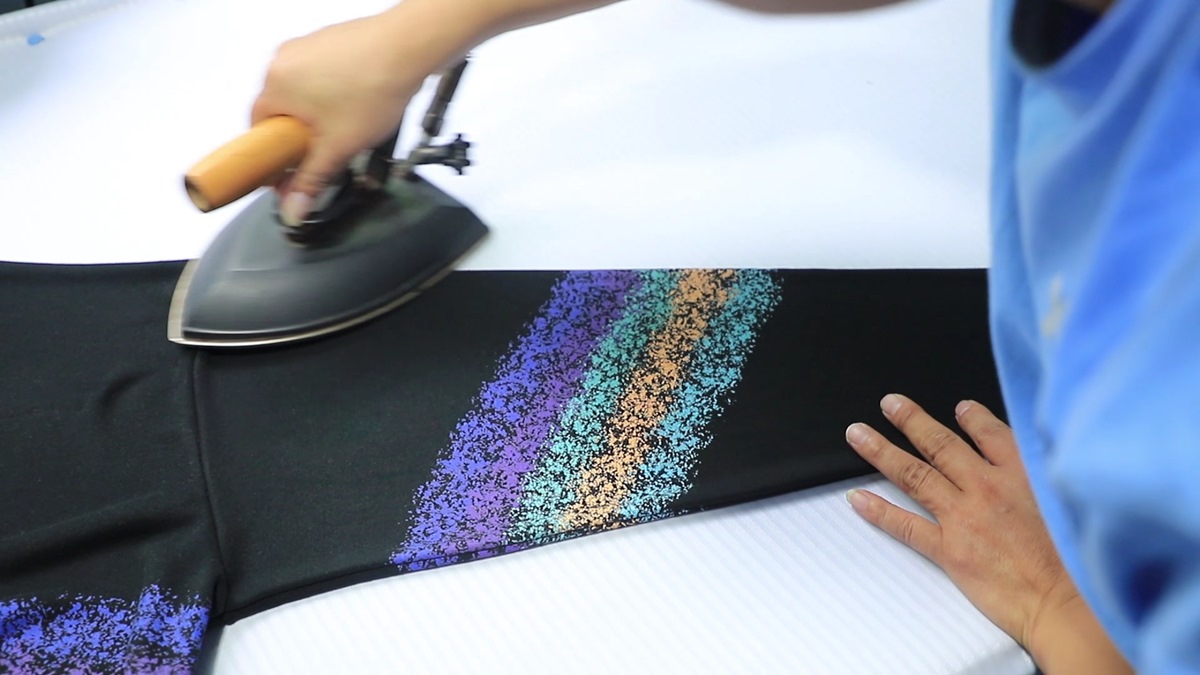
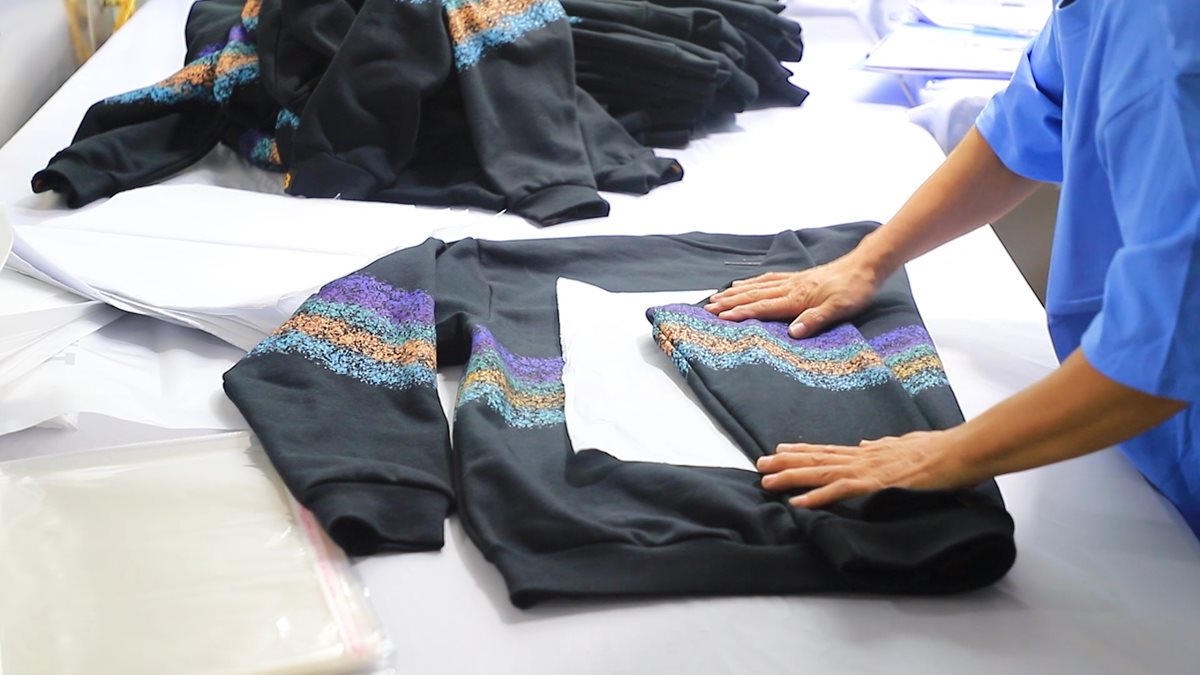
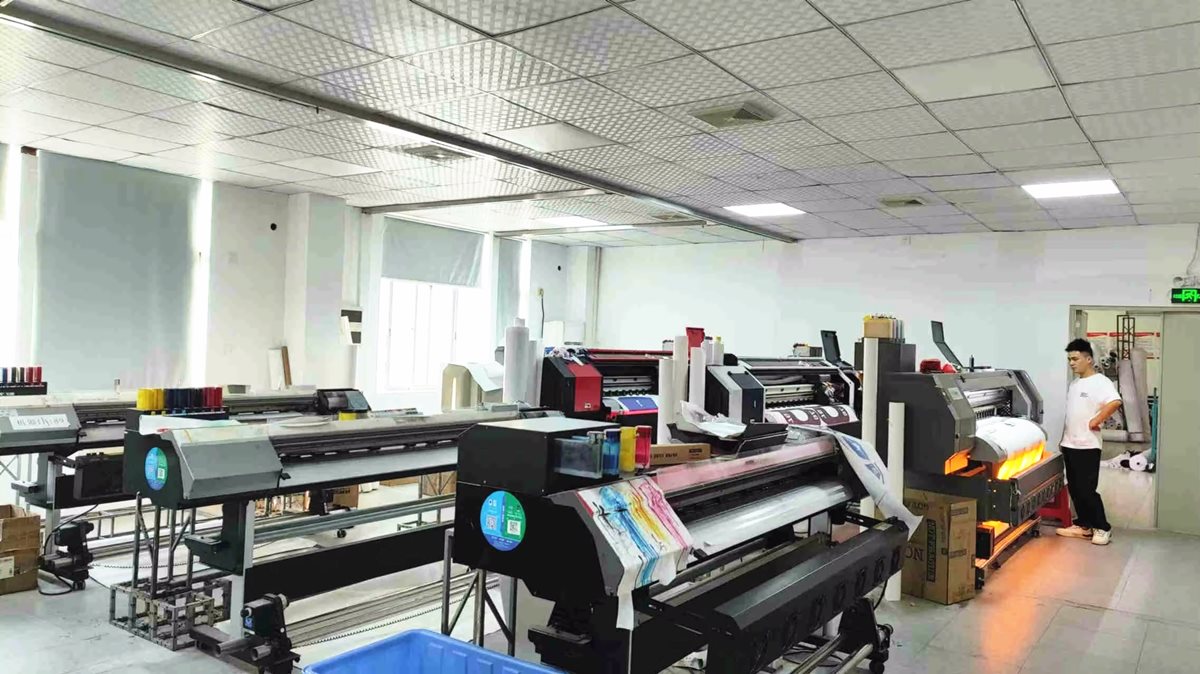
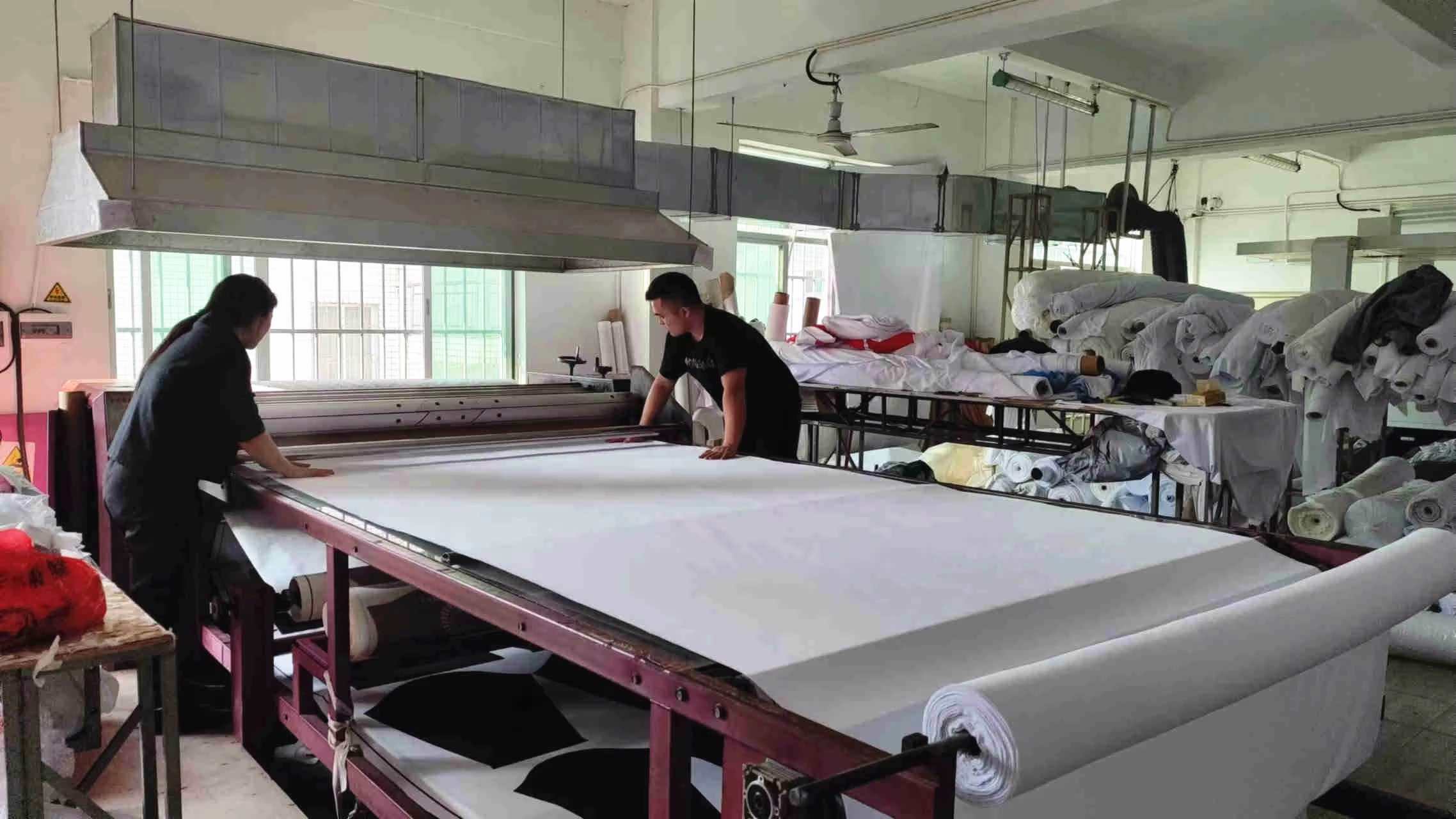
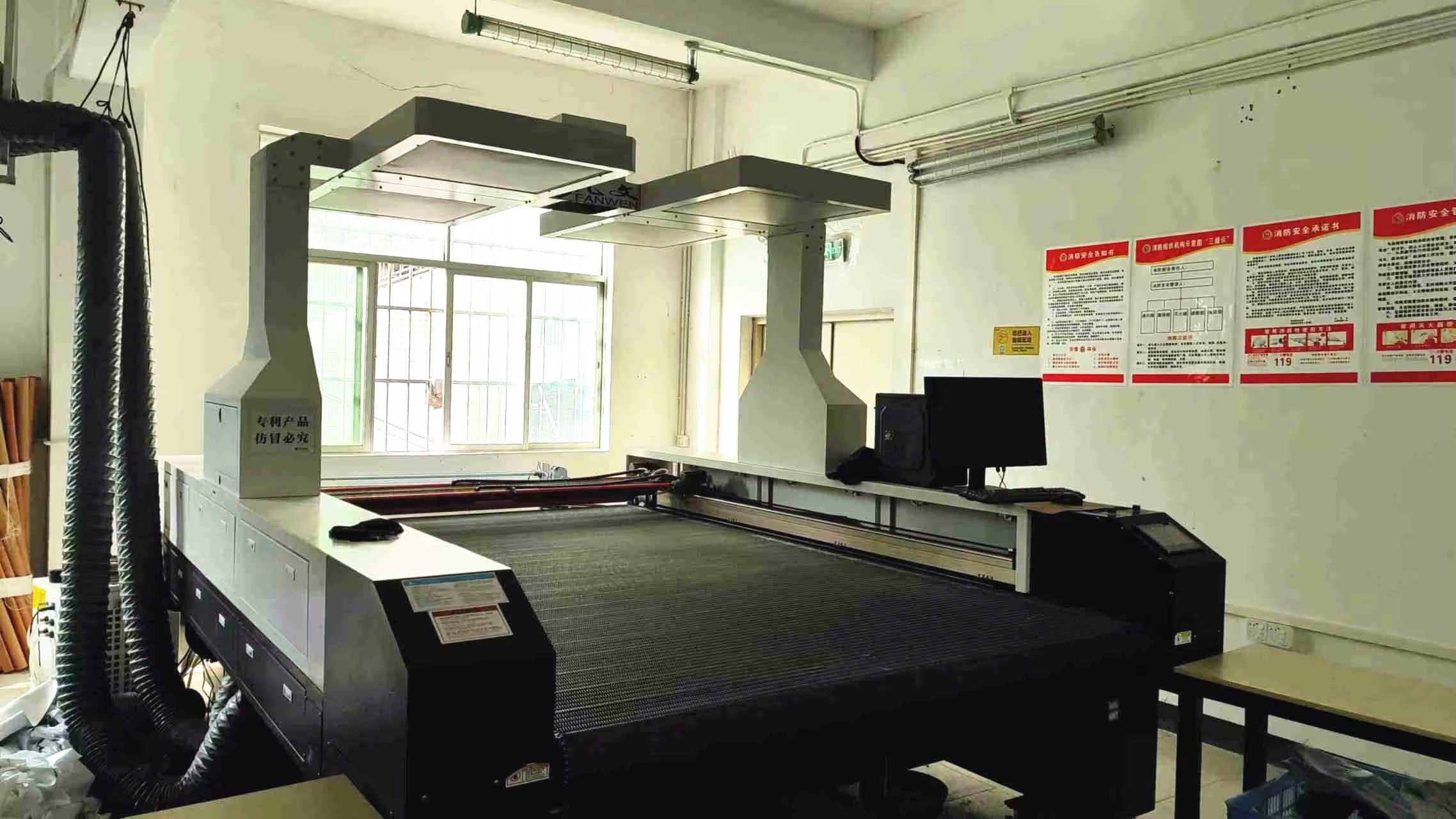
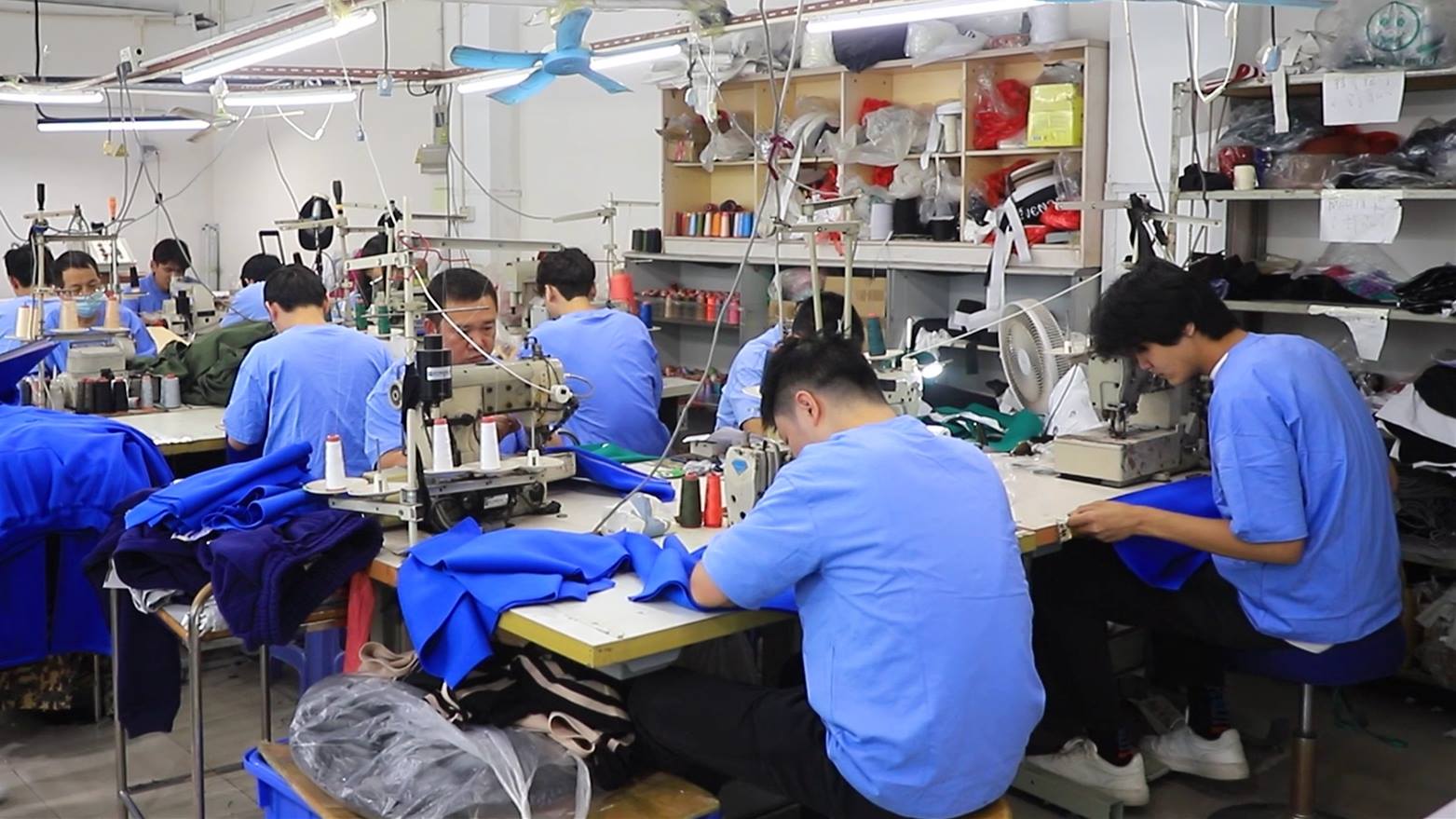
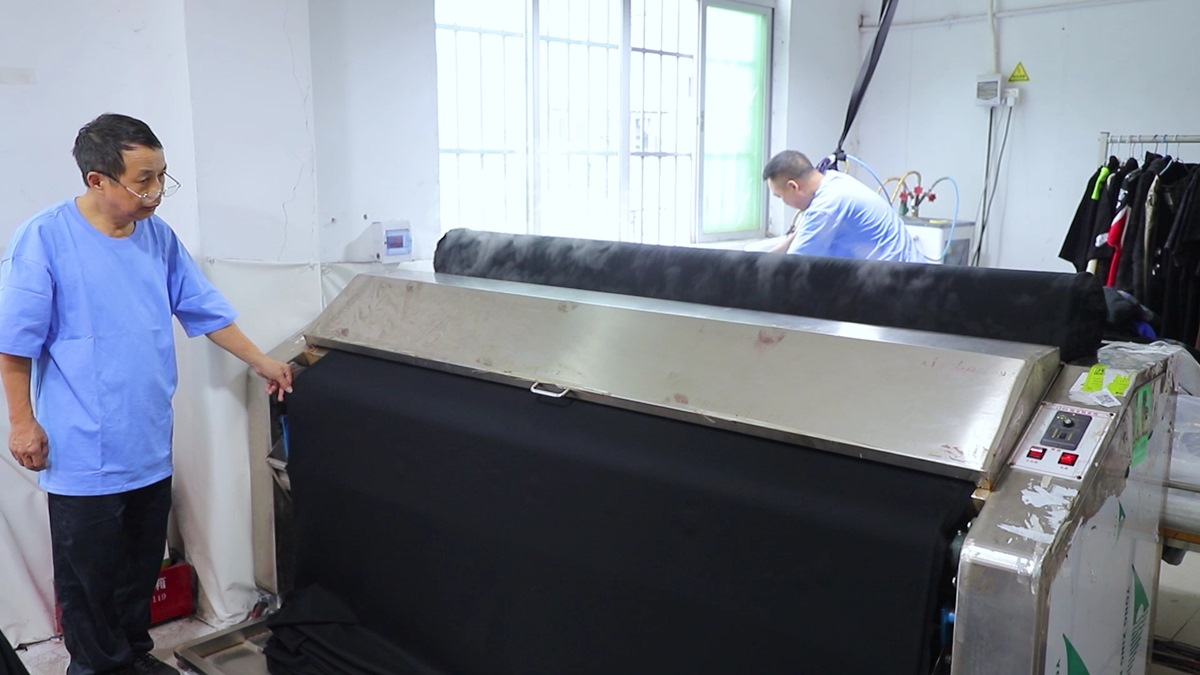
Providing agile manufacturing systems, low minimum orders, and reliable client support for global markets.
Guangdong NovaFair Fashion Co., Ltd. is a leading professional garment manufacturer in China with over 20 years of experience in the apparel industry. We specialize in the design, development, and production of high-quality and fashion-forward clothing, dedicated to meeting the evolving needs of global markets driven by economic, cultural, and lifestyle changes.
With a strong focus on innovation and flexibility, NovaFair has built a responsive and efficient production system that supports modern business demands, including low MOQ (as low as 2 pieces), fast sample development, competitive pricing, and reliable customer service. These advantages allow us to support designers, brands, and wholesalers with greater agility and creativity.
Over the years, we have cultivated a professional and collaborative team culture rooted in trust, efficiency, and continuous improvement. Our ability to adapt quickly to changing trends and client requirements has enabled us to build long-term partnerships across different regions.
From a small, experience-driven workshop to an internationally oriented apparel manufacturer, NovaFair has continuously evolved with the fashion industry. We embrace change as an opportunity for growth and innovation, constantly improving our craftsmanship, production capability, and service quality. Today, we proudly serve emerging designers, established brands, and private labels, especially in the North American and European markets, offering customized solutions that bring creative concepts to life.
To become a trusted global partner in fashion manufacturing, empowering designers and brands worldwide with flexible, sustainable, and high-quality apparel solutions—especially in the field of customized denim and contemporary fashion wear.
We are guided by the values of customer-first, integrity, unity, adaptability, passion, professionalism, and shared growth. Our mission is to deliver exceptional garments and reliable manufacturing solutions while building long-term partnerships based on trust, creativity, and mutual success.
How supply chain executives manage international risks, customs issues, and environmental compliance.
We optimize custom clearance codes and coordinate shipping lines across key regions. By leveraging duty-free trade zones and trade status, we mitigate cost exposure for international buyers.
Utilizing raw material warehousing, our production sites minimize supply bottlenecks. Our strong logistics networks keep manufacturing resilient against geopolitical challenges.
Through advanced marker nesting algorithms, we reduce fabric cutting scrap from 15% down to 8%. We also offer solutions to repurpose offcuts into accessories and packaging panels.
A detailed blueprint detailing weight metrics, seam construction, wash parameters, and dye-lot testing tolerances.
| Metric Type | Standard Specification | Testing Protocol | Acceptable Tolerance Limit |
|---|---|---|---|
| Fabric Weight (GSM) | 240 GSM - 320 GSM (Summer to Winter Twill) | ASTM D3776 / ISO 3801 circular cut | ± 3.5% |
| Dye Lot Variation | Spectrophotometer reading matching standard lab dip | AATCC Evaluation Procedure 9 (Delta E) | dE ≤ 1.0 (CMC 2:1 method) |
| Dimensional Stability | Sanforized processing to stabilize cotton structures | AATCC 135 (3 home launderings at 41°C) | ≤ 2.0% (Warp) & ≤ 1.5% (Weft) |
| Seam Tensile Strength | Double-needle chain-stitch on inseam / outseam | ASTM D5034 grab strength evaluation | ≥ 240 Newtons minimum threshold |
| Formaldehyde Levels | Eco-wash finishing free of toxic residue agents | ISO 14184-1 water extraction analysis | Undetectable (< 16 ppm) |
Analyzing next-generation developments in chino manufacturing, automation, and sustainable material science.
Modern automated sewing systems use vision sensors to guide stitching lines. This ensures consistent tolerances on waistbands and cuffs, reducing rework rates down to 0.2%.
By introducing ozone gas for fabric distressing and washing, we minimize water usage by up to 85%. Ozone gas neutralizes reactive dyes without using toxic chemicals.
We embed slim wash-resistant RFID and NFC tags into the waistband seams. This digital passport logs processing locations, certifications, and recycling instructions.
Get quick answers on MOQ requirements, material sourcing, shipping parameters, and supply chain tracking.
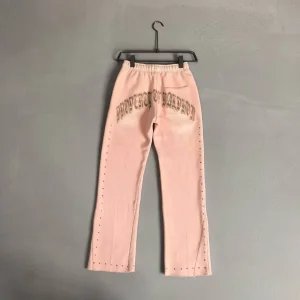
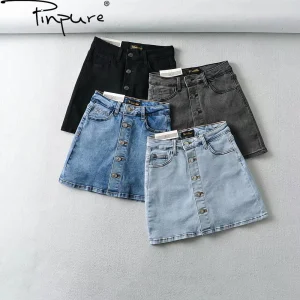
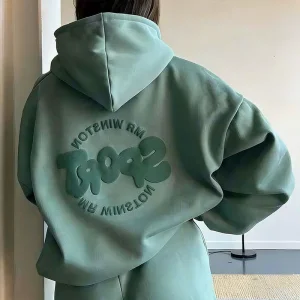
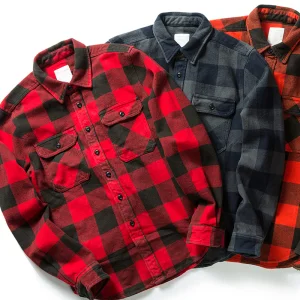
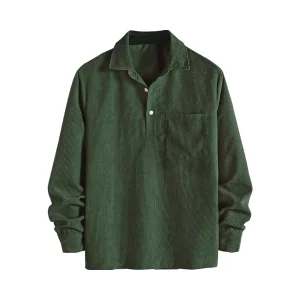
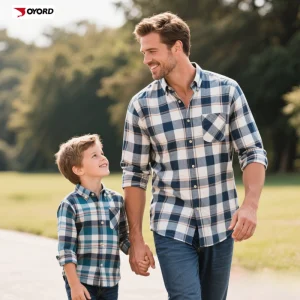
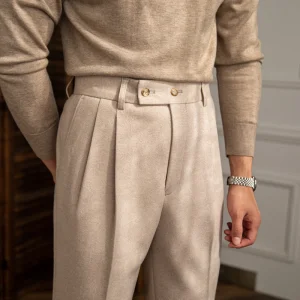
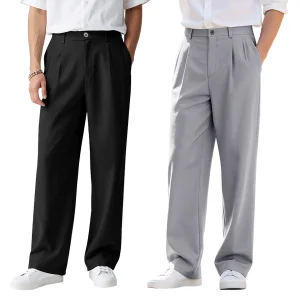
Browse our catalog of custom apparel, including corduroys, track pants, flannel shirts, and casual trousers.
 NovaFair Fashion