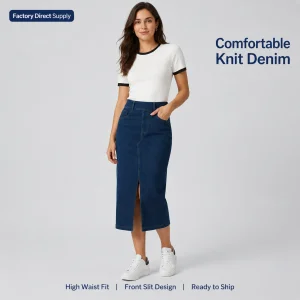
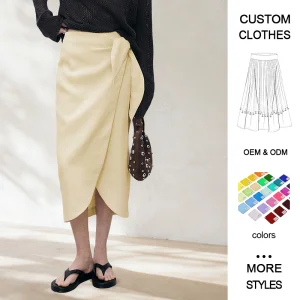
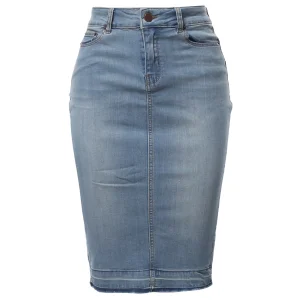
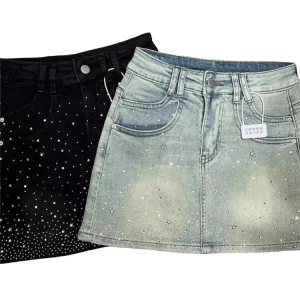
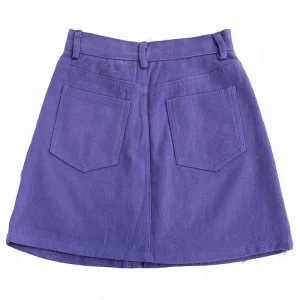
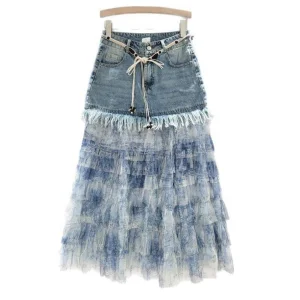
Meticulously selected silhouettes designed to excel in Tokyo's fashion districts from Harajuku to Ginza. Durable construction meets high-breathability textiles.
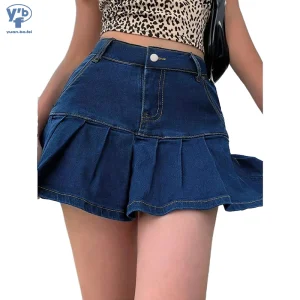
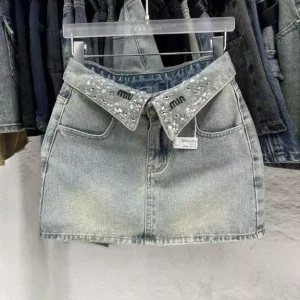
An analytical breakdown of the Japanese consumer landscape, structural retail shifts, and the strict technical standards required by global brands.
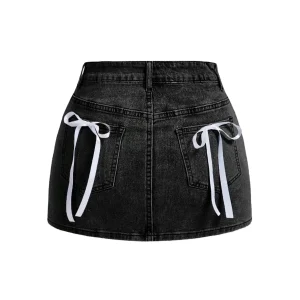
Japan boasts one of the most mature and passionate denim markets in the world. Historically influenced by mid-century American workwear, Japanese fashion designers have elevated denim from utility clothing to an artistic canvas. Today, the demand for denim skirts in Japan bridges two distinct archetypes: vintage authenticity (highly valued by collectors in regions like Daikanyama and Koenji) and functional contemporary minimalism (dominant in high-density urban transit lifestyles like Tokyo and Osaka).
Our market research reveals that Japanese consumers prioritize textile stability, exquisite stitch placement, and nuanced color gradients. While loose-fitting pants remain a staple, the denim skirt is widely favored as a versatile transitional garment. Sourcing managers serving Japanese buyers must look beyond basic templates to source denim garments that integrate features like raw-edge frayed hems, delicate vintage washing techniques, and subtle rhinestone embellishments, without sacrificing the durability needed to withstand typical home laundry cycles.
In the digital age, retail patterns in Japan are highly volatile. Influencer-led cycles and micro-trends demand that brands operate on compressed timelines. Traditional mass-production models—which required six-month forecasting and enormous Minimum Order Quantities (MOQs)—are increasingly incompatible with modern JIT (Just-in-Time) retail logistics. Forward-thinking distributors and sourcing offices serving Japan demand a two-pronged production architecture:
How Guangdong NovaFair Fashion Co., Ltd. leverages geographic proximity, technical modernization, and advanced automation to deliver premium denim.
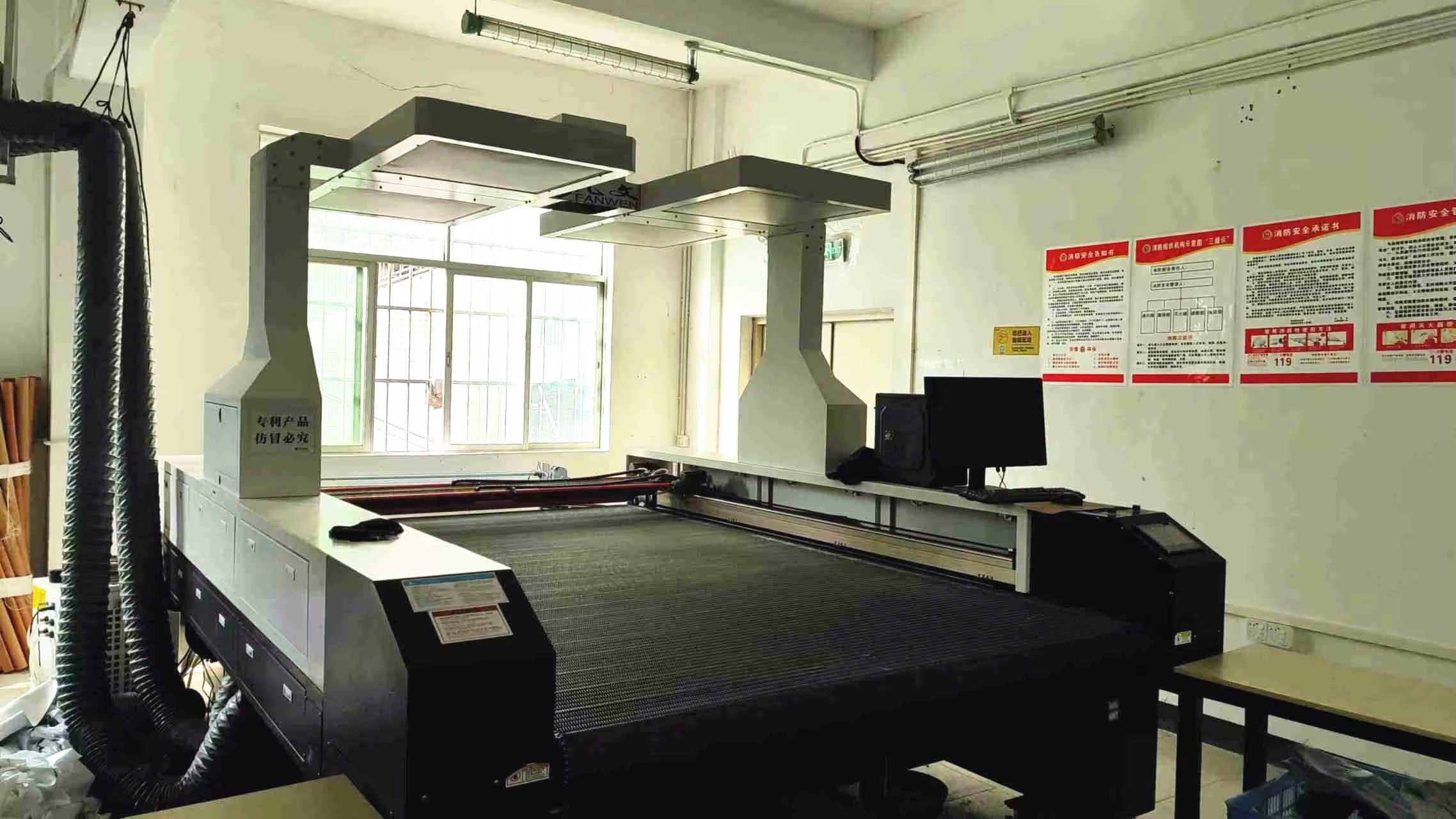
Replacing chemical intensive sanding with laser-guided etching to achieve authentic vintage whispers and distressed patterns safely.
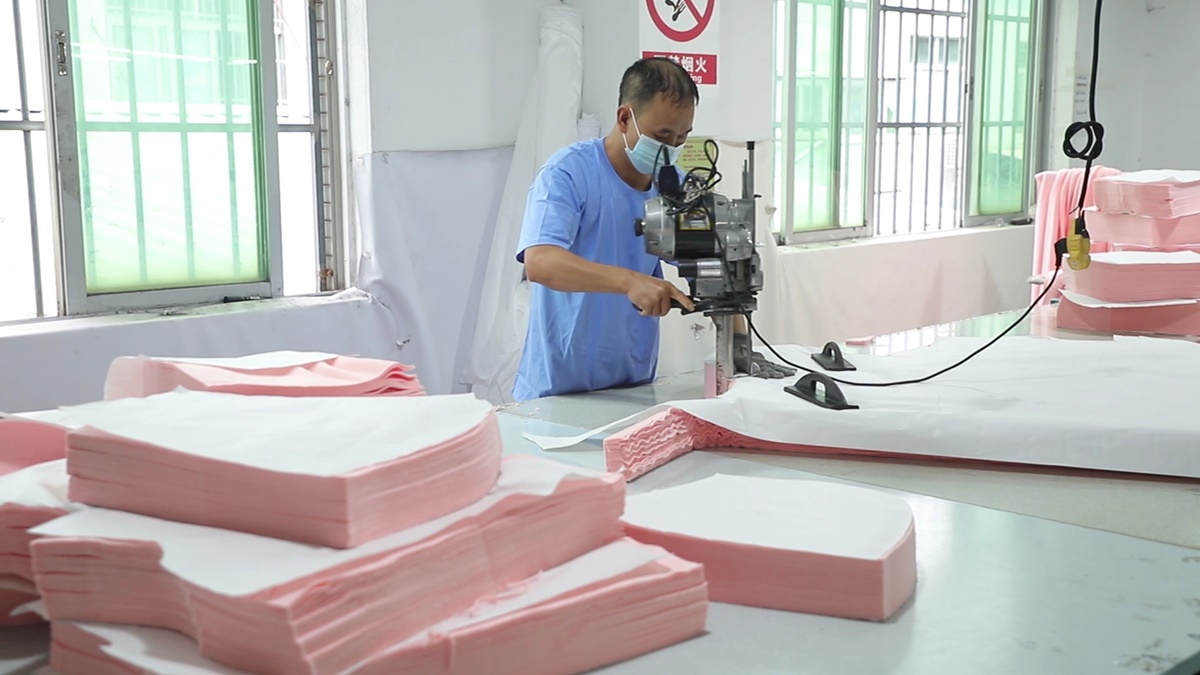
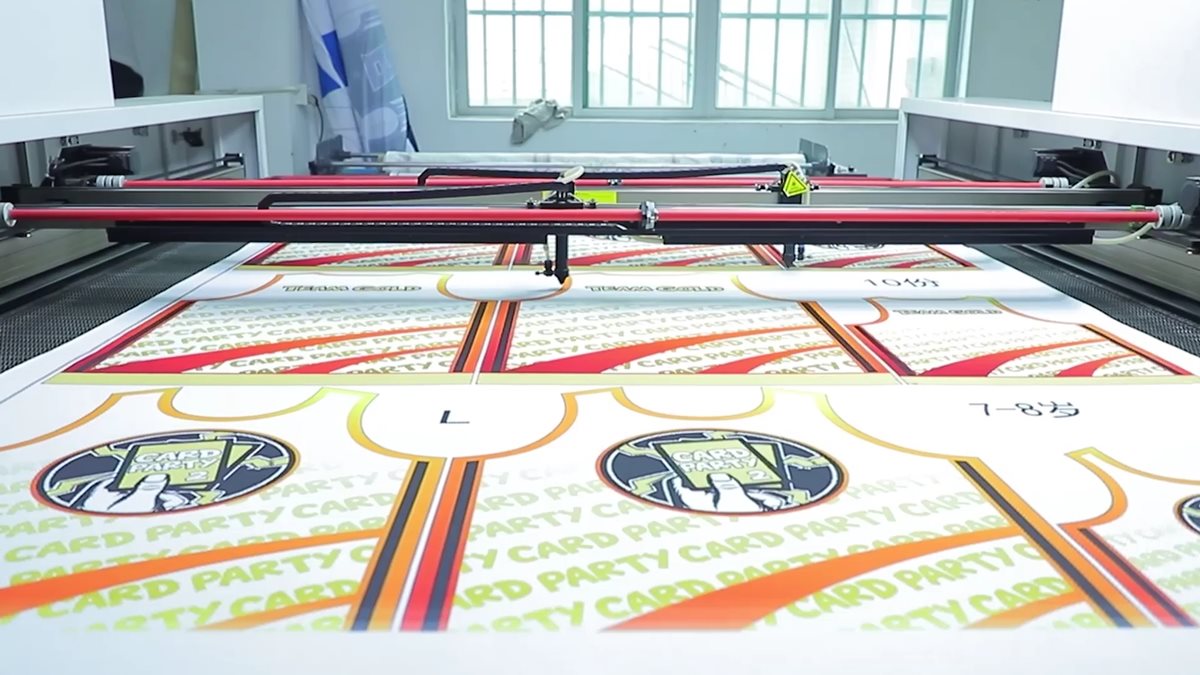
Optimizing fabric yield by using computer-aided nesting, saving up to 15% fabric waste while maintaining strict straight-grain alignment.
Direct sea shipments from Shenzhen/Guangzhou ports to Tokyo/Yokohama within 3 to 5 working days, ensuring rapid stock rotation.
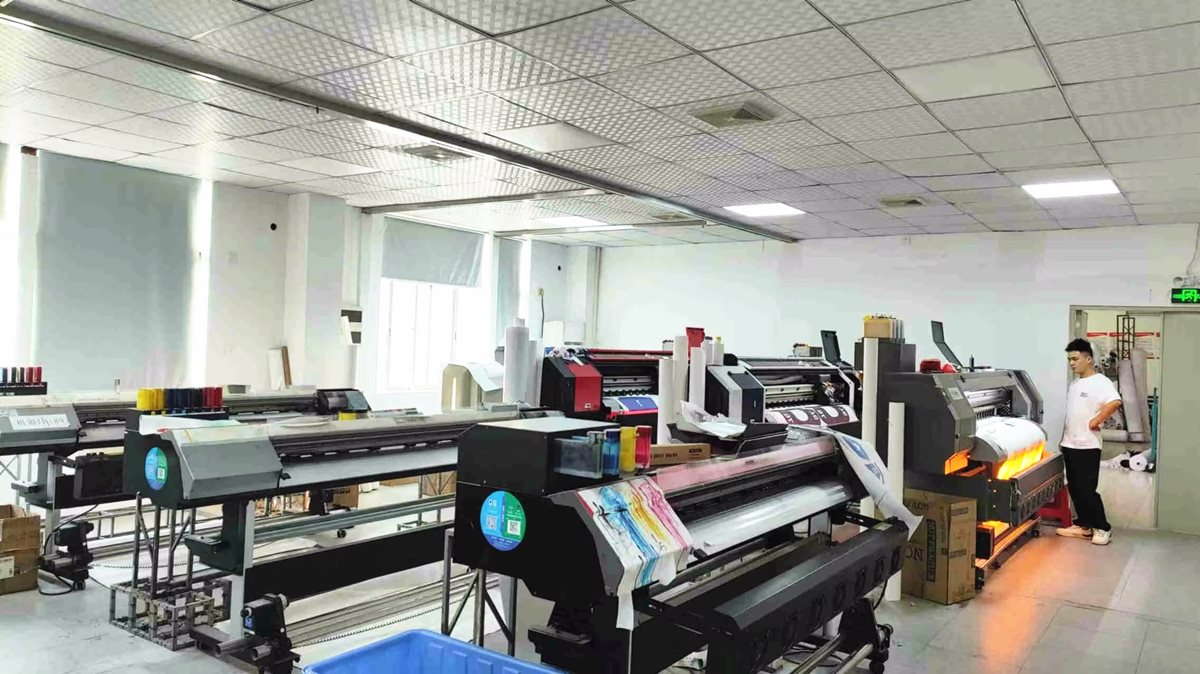
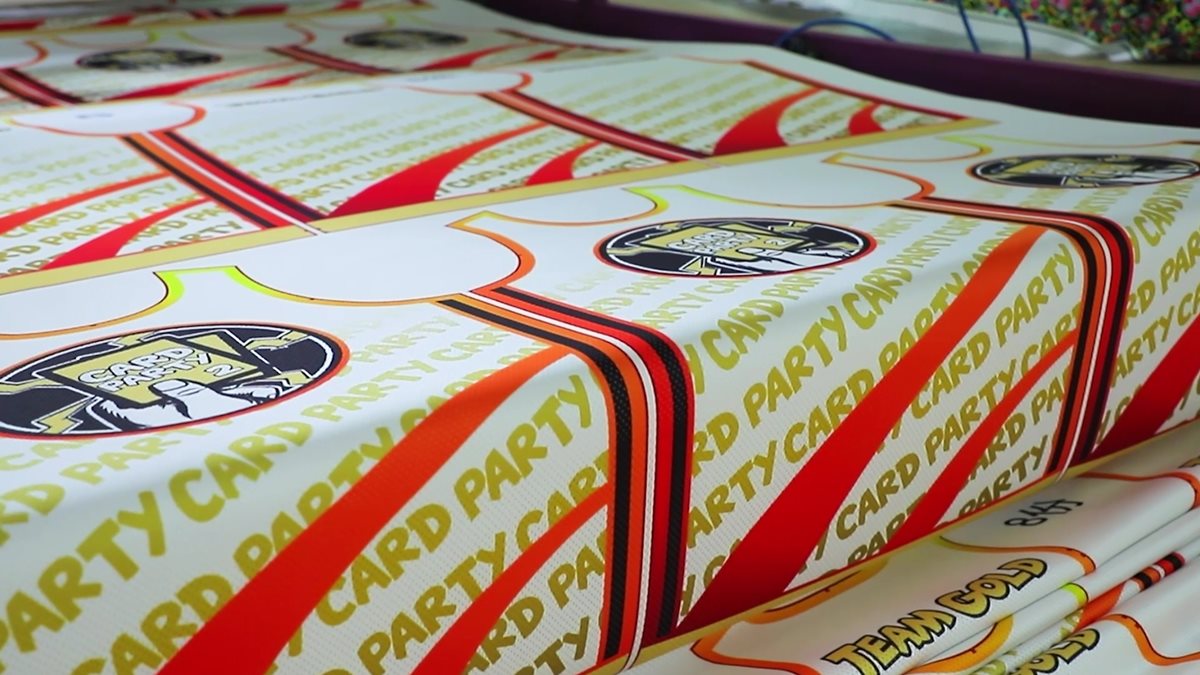
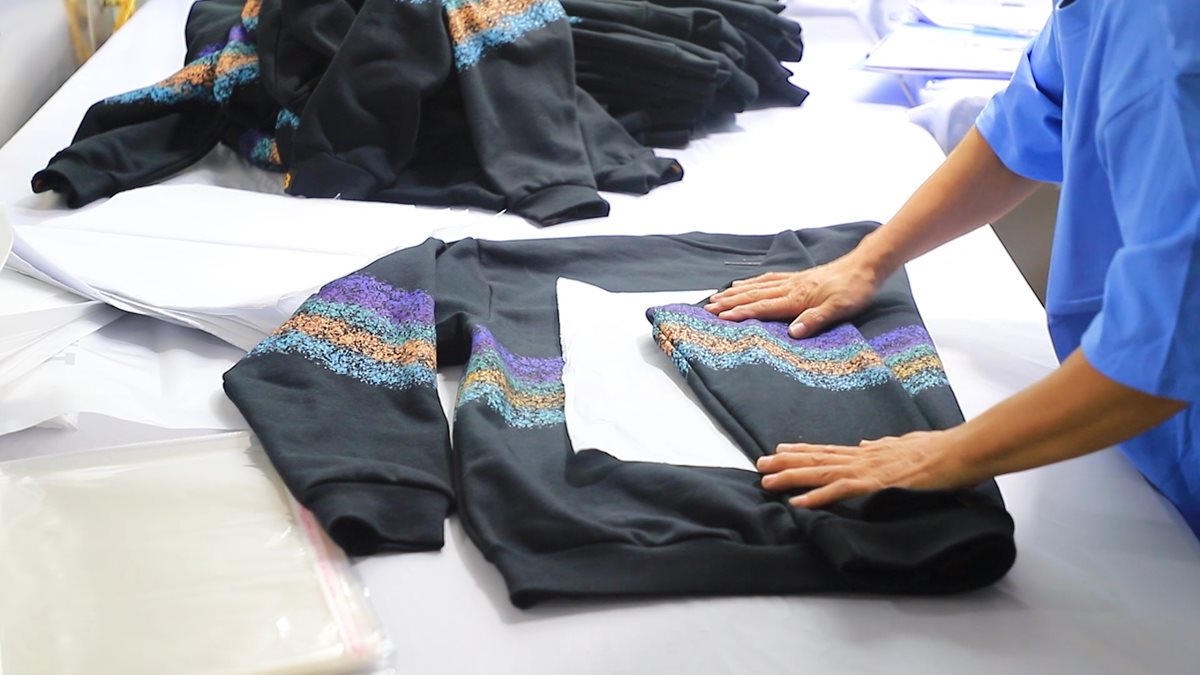
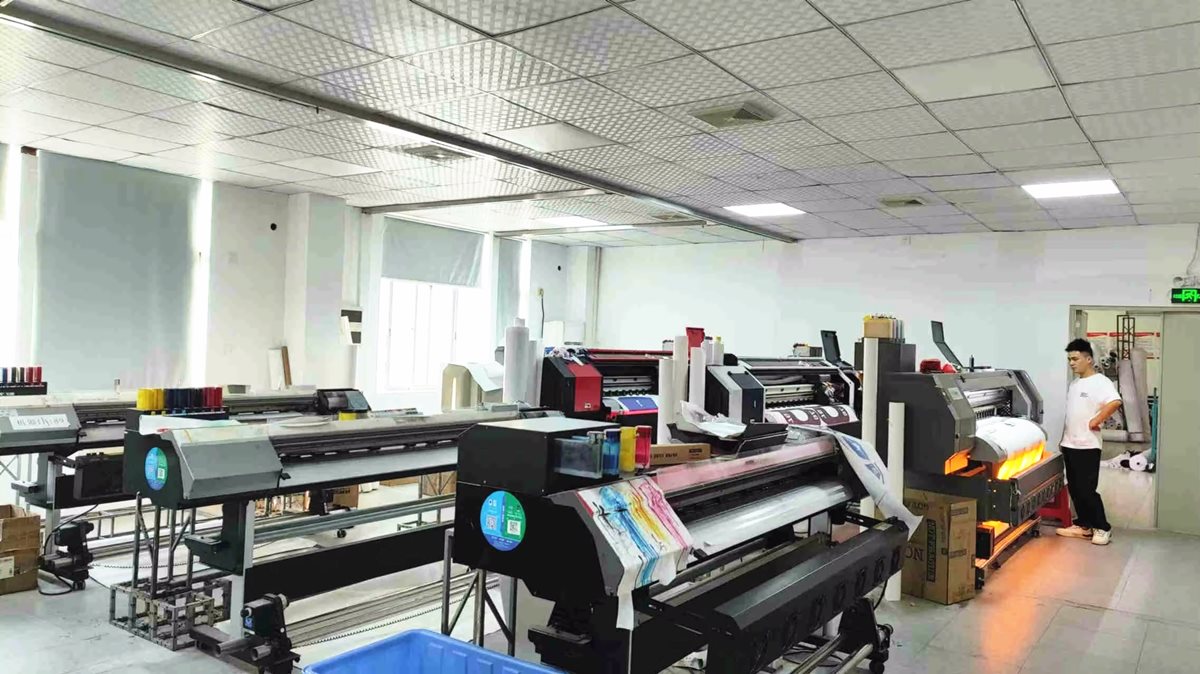
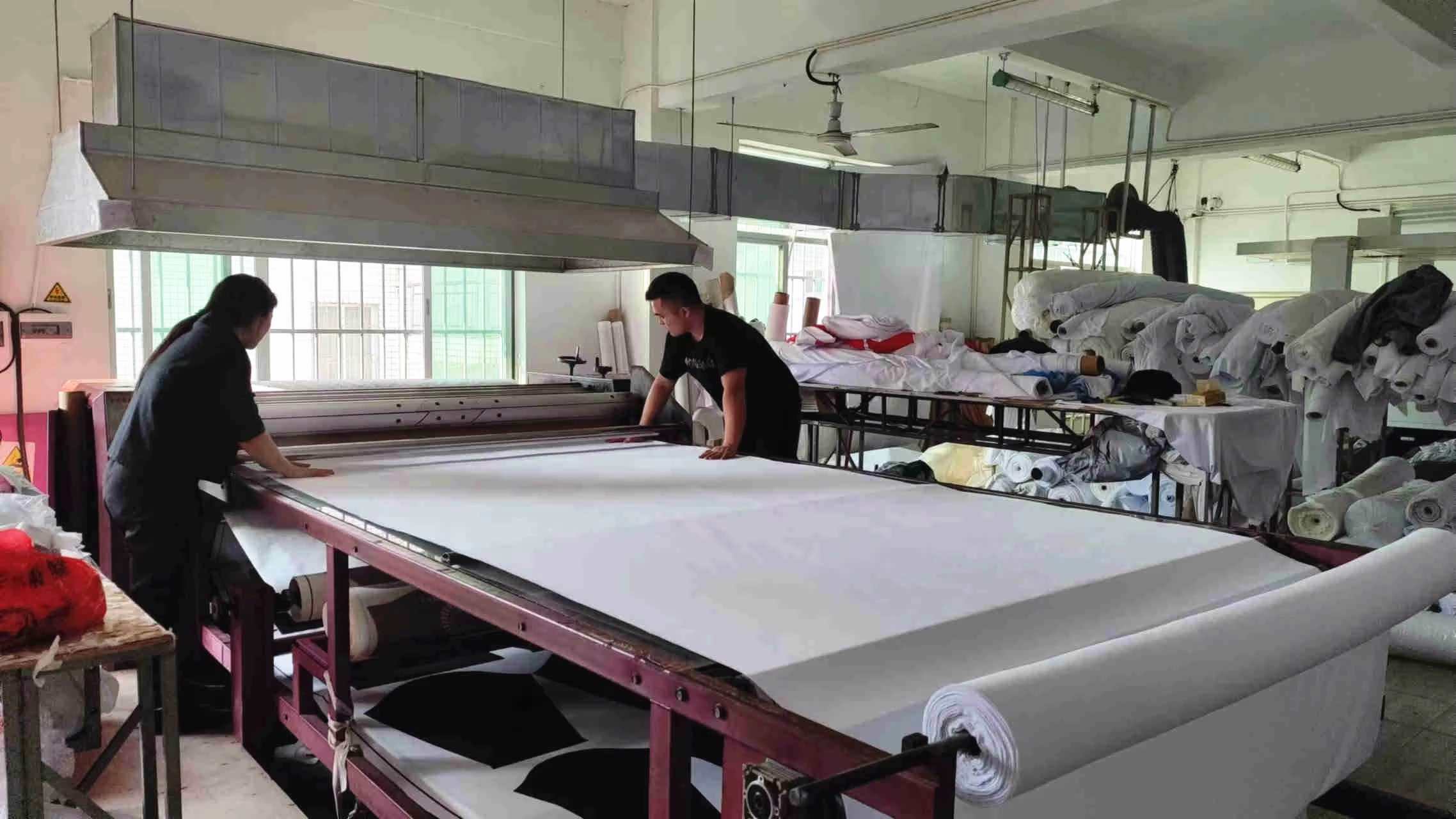
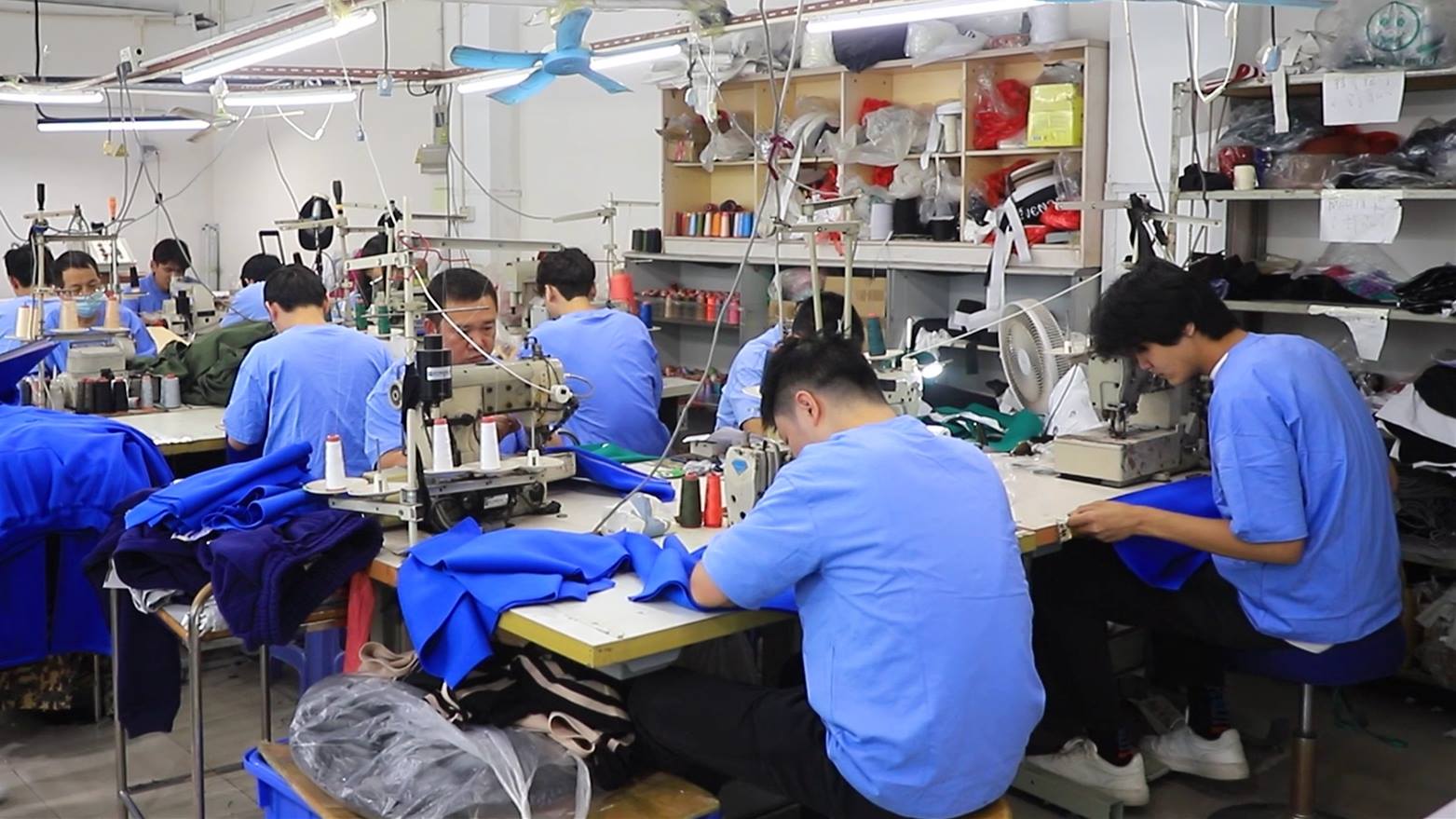
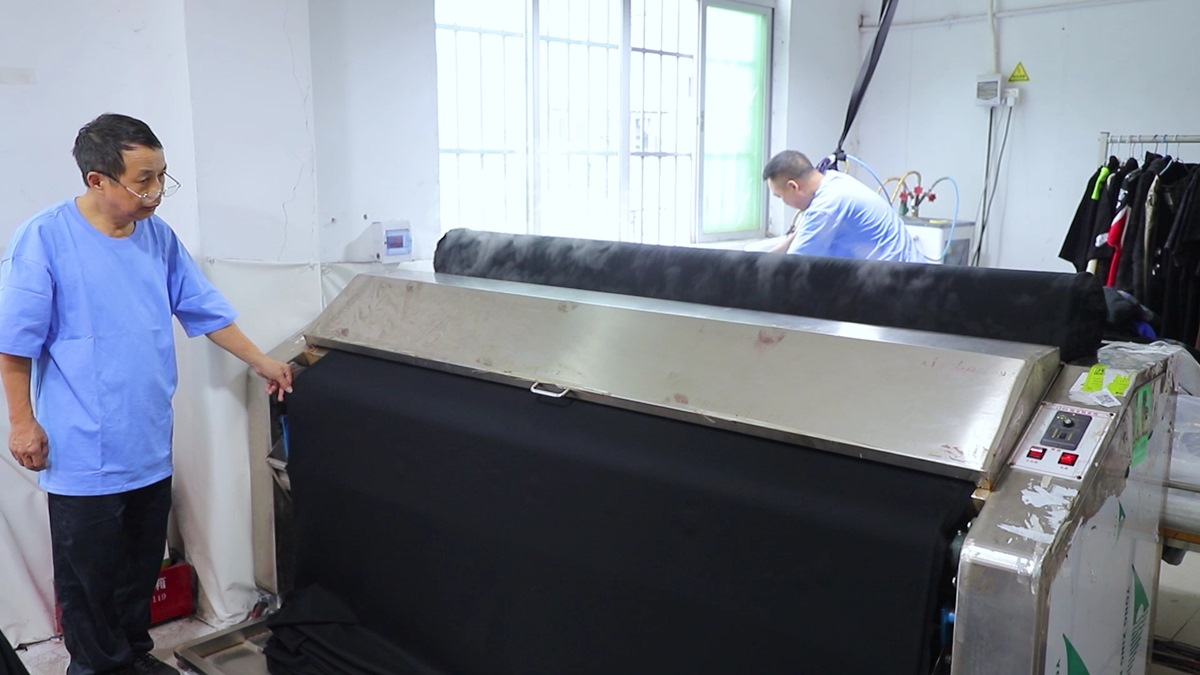
At our manufacturing facility in Guangdong, we have integrated Factory 4.0 digital protocols directly into the apparel processing workflow. From the moment a Japanese client submits design specs, our computerized sample systems generate accurate digital renderings. Once approved, the physical fabric undergoes mechanical shrinking, eliminating the distortion problems common in post-assembly washes.
This localized expertise is uniquely critical for Japan's rigorous commercial requirements. We maintain detailed traceability logs on our denim batches, tracking the origins of all cotton yarns and indigo dyes. As global sustainability standards like GOTS (Global Organic Textile Standard) and OEKO-TEX Standard 100 grow in consumer importance, our facility offers Japanese partners verifiable credentials that strengthen consumer trust and support premium brand positioning.
Engineered for versatile comfort, these designs adapt effortlessly to diverse weather conditions and daily lifestyle routines.
A reliable partner in apparel manufacturing for designers, private labels, and distributors across the globe.
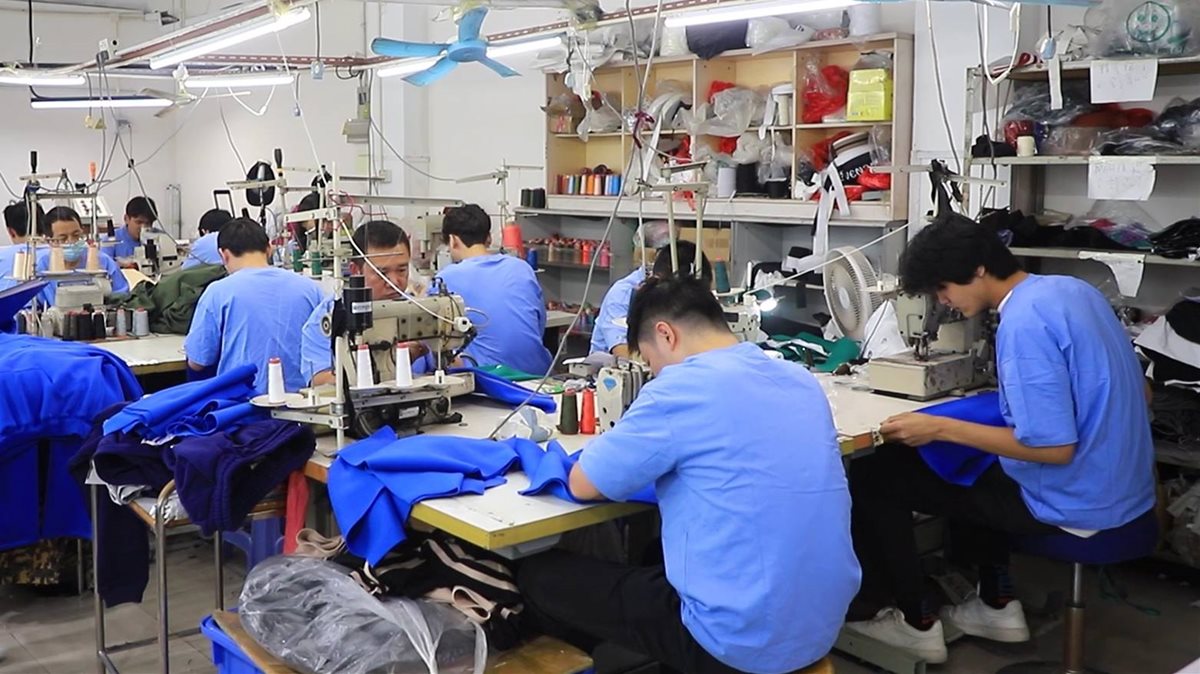
Guangdong NovaFair Fashion Co., Ltd. is a leading professional garment manufacturer in China with over 20 years of experience in the apparel industry. We specialize in the design, development, and production of high-quality and fashion-forward clothing, dedicated to meeting the evolving needs of global markets driven by economic, cultural, and lifestyle changes.
With a strong focus on innovation and flexibility, NovaFair has built a responsive and efficient production system that supports modern business demands, including low MOQ (as low as 2 pieces), fast sample development, competitive pricing, and reliable customer service. These advantages allow us to support designers, brands, and wholesalers with greater agility and creativity.
Over the years, we have cultivated a professional and collaborative team culture rooted in trust, efficiency, and continuous improvement. Our ability to adapt quickly to changing trends and client requirements has enabled us to build long-term partnerships across different regions including Japan, North America, and Europe.
Evolving from an experience-driven workshop to an internationally oriented manufacturer supporting boutique labels and high-end streetwear.
To become a trusted global partner in fashion manufacturing, empowering brands with flexible, sustainable, and high-quality apparel.
Guided by values of customer-first, integrity, unity, adaptability, passion, professionalism, and shared growth to deliver reliable solutions.
An industry whitepaper detailing standard specifications, yarn constructions, and dye fastness verification required for Japan customs clearance.
One of the most persistent technical challenges in denim manufacturing is dry and wet crocking—the transfer of indigo dye onto skin or light-colored furniture. Because Japanese consumers frequently ride public transit (trains, subways) with light upholstery, Japanese retailers enforce strict dry crocking standards (typically Class 3-4 under the JIS L 0849 test method). Achieving this requires optimized post-dye wash sequences that strip away unfixed surface pigments without altering the depth of the core indigo dye. NovaFair utilizes multi-stage wash protocols, combining enzymatic treatments with organic fixing agents, ensuring our skirts easily clear these tests.
Denim skirts, especially slim-fit or pencil silhouettes, are subject to significant mechanical stress at the hips, pocket corners, and zipper terminals. Under Japanese apparel standards (JIS L 1096), denim must meet minimum warp and weft tensile strength targets. NovaFair maintains high durability standards by:
Compliance with Japan’s safety regulations is critical. Our supply chain guarantees that all materials are free from harmful substances. Under Japan's Ministry of Health, Labour and Welfare guidelines, azo colorants that release carcinogenic arylamines are completely banned. Formaldehyde levels are strictly restricted, requiring specialized packaging and ventilation procedures in our warehouses before direct transport to Japanese ports. Partnering with NovaFair means partnering with a supplier that maintains clean, fully documented chemical safety sheets for all components.
Get direct answers on fabric parameters, customization logistics, tariff benefits, and sample development.
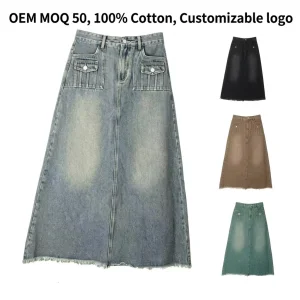
Browse our core inventory models. Each of these verified silhouettes is open to direct OEM fabric adjustment, label replacement, and wash customization.
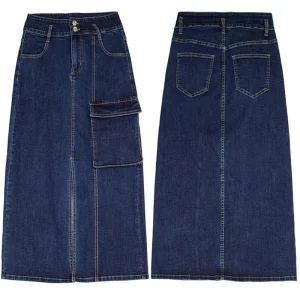
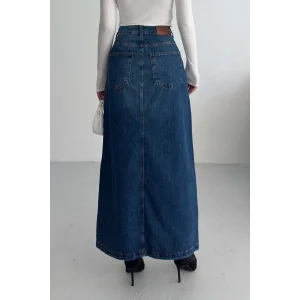
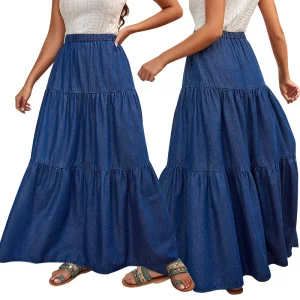
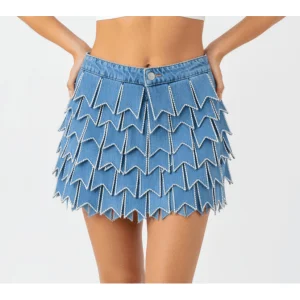
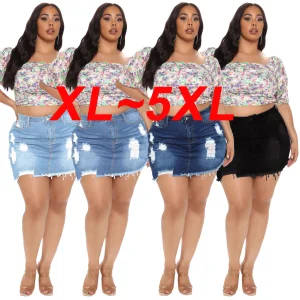
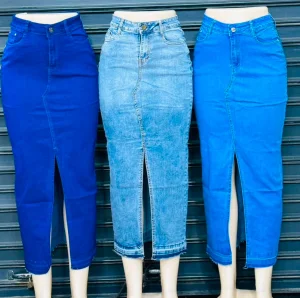
Get reliable production schedules, custom wash duplication, and strict quality control certified to international and Japanese standards.
 NovaFair Fashion