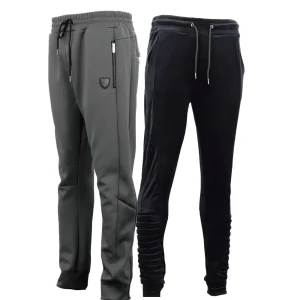
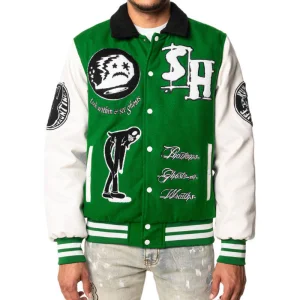
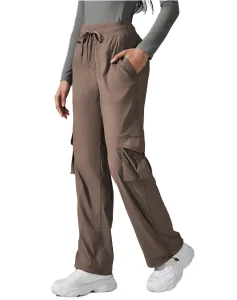
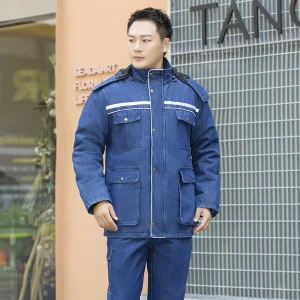
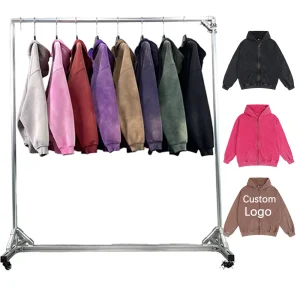
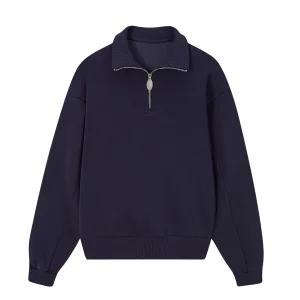
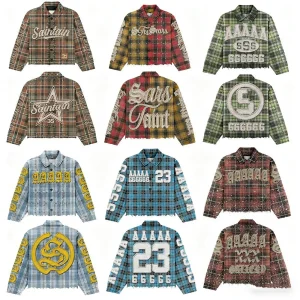
Engineered for cold-weather performance and lifestyle versatility. Discover our latest customized designs engineered for international apparel brands.
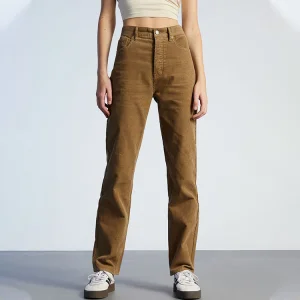
An authoritative analysis of supply chains, market demographics, and macroeconomic growth patterns driving the cold-weather base-layer segment.
The global market for thermal tops and functional base layers has transcended its traditional role as pure utilitarian underwear. Today, it stands as a multi-billion-dollar intersection of textile technology, athleisure fashion, and occupational safety. Driven by the expansion of outdoor recreation, shifting climate patterns, and a heightened emphasis on energy conservation in residential heating, the demand for performance thermal wear continues to grow exponentially.
From an industrial perspective, manufacturing thermal tops requires a complex interplay of knitting methodologies, chemical treatments, and advanced sewing technology. Unlike standard cotton tees, high-performance thermal tops are evaluated based on their thermal resistance (measured in CLO values), moisture management properties, and skin-friendliness. Key export markets in Europe, North America, and Northeast Asia are placing increasingly strict standards on materials, emphasizing non-hazardous chemicals (OEKO-TEX® Standard 100) and ethical raw material sourcing.
While premium merino wool thermals are traditionally sourced from Europe and Australia, the massive global demand for high-volume synthetic and synthetic-blend thermal tops is dominated by Asian garment clusters. The Guangdong province in China remains the ultimate epicenter for functional knitwear sourcing due to its complete industrial supply chain, advanced machinery networks, and rapid turnaround times. Suppliers in this region have successfully combined rapid prototyping with low-MOQ capabilities to help global brands mitigate inventory risk.
The frontier of thermal textile engineering: moving beyond traditional heat retention to dynamic climate adaptation.
Integrating microencapsulated paraffin waxes that absorb, store, and release heat according to localized skin microclimates, preventing overheating during physical exertion.
Extruding synthetic polymers with central air voids to trap still air. This mimics polar bear fur, providing high thermal efficiency with incredibly low weight.
Utilizing advanced Italian machinery to knit variable-density structures directly into the garment, offering localized compression, breathability, and warmth without seams.
When selecting a thermal tops factory, global apparel buyers should request the factory's thermal performance metrics. The industry standard utilizes the CLO Unit. One CLO is defined as the amount of insulation that allows a resting person to maintain thermal equilibrium in an environment at 21°C (70°F). Premium synthetic thermal tops achieve a CLO rating between 0.15 and 0.40 per unit of fabric thickness, depending on loop density and brushing techniques.
Sourcing high-quality thermals requires a strict vetting process. The top 10 thermal tops factories are evaluated on raw material traceability, advanced knitting machinery, flatlock sewing quality, and environmental compliance. Guangdong NovaFair Fashion Co., Ltd. exemplifies these elite performance metrics through over two decades of dedicated manufacturing experience.
Founded on a vision to deliver premium, flexible, and sustainable apparel solutions, NovaFair has evolved from a small workshop into an internationally recognized manufacturing partner. Our client base spans across North America and Europe, servicing both emerging contemporary labels and established private brands with equal precision.
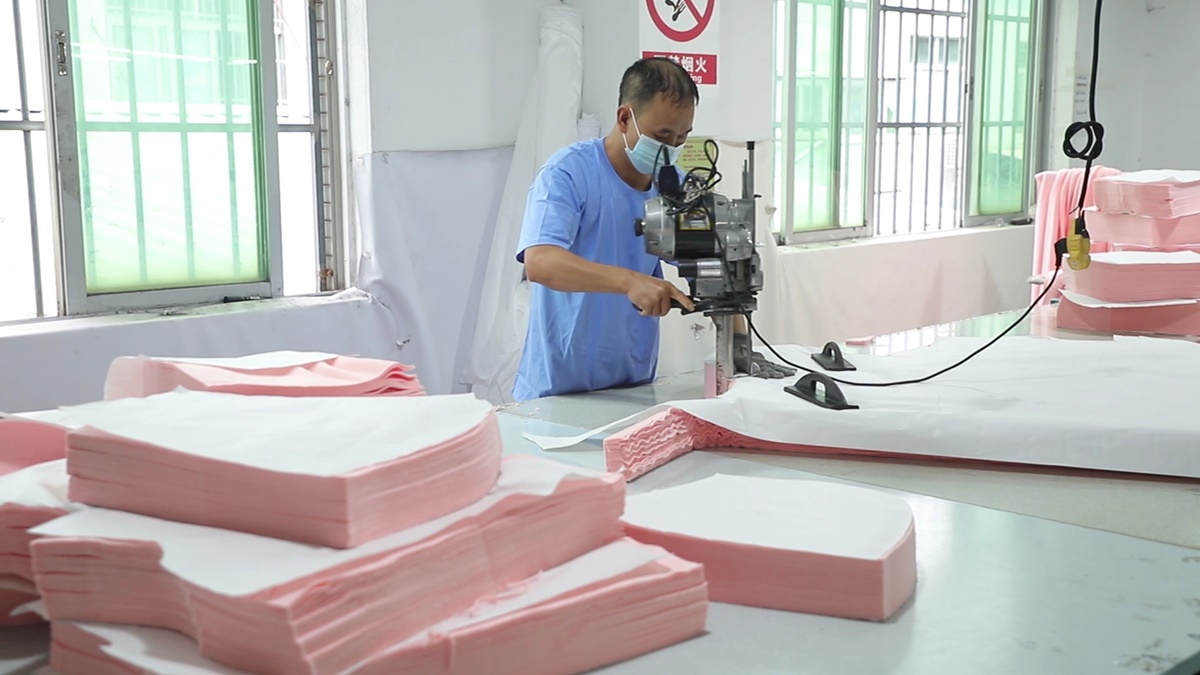
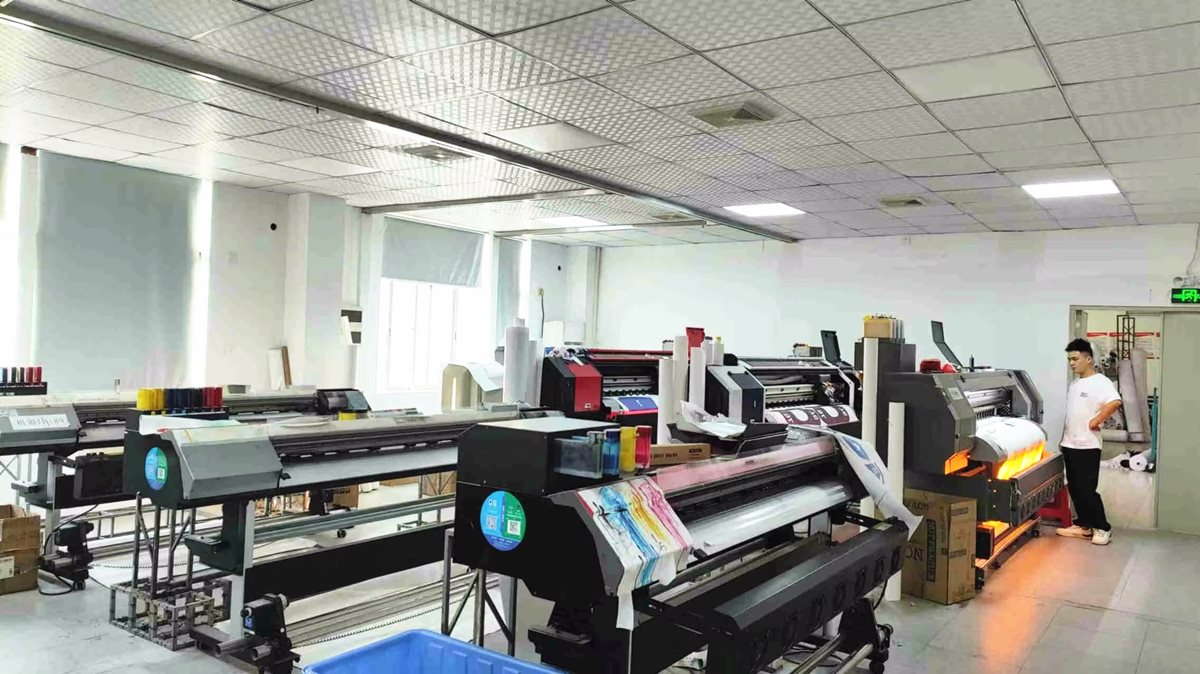
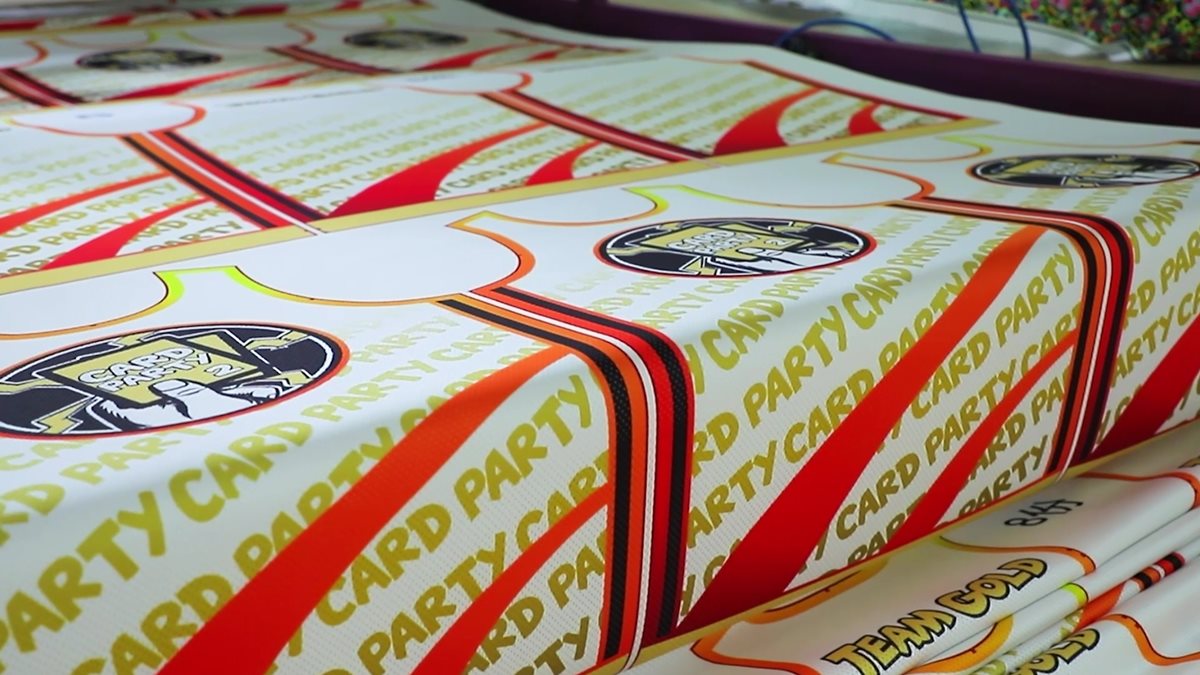
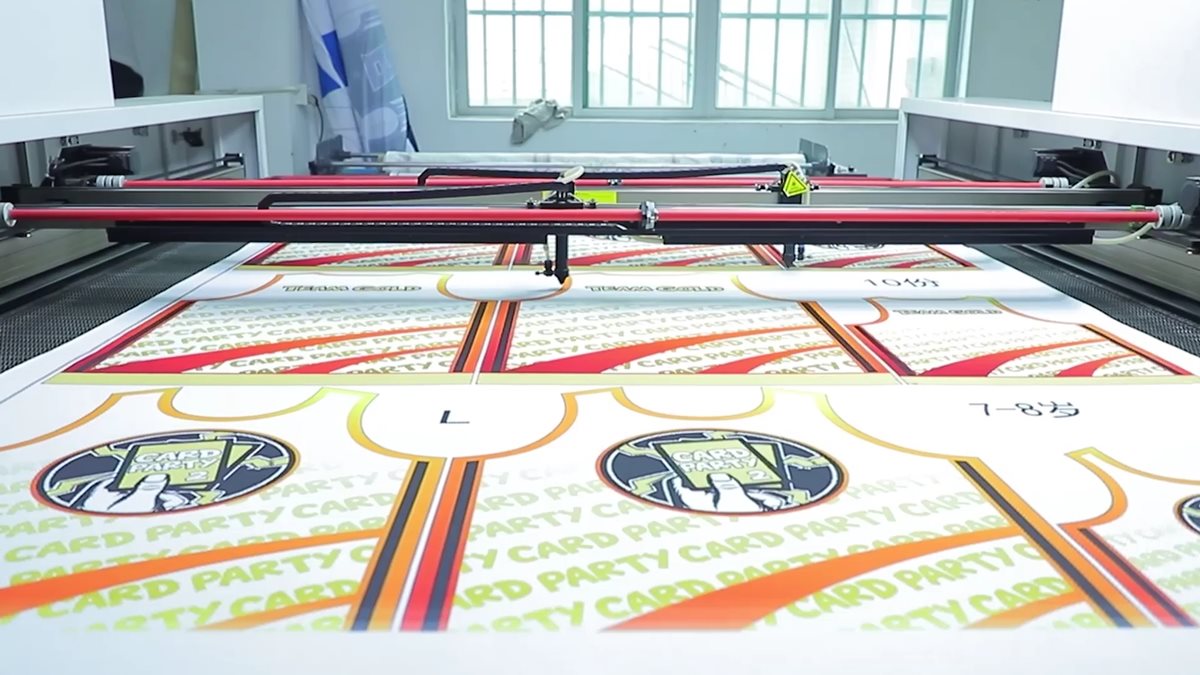
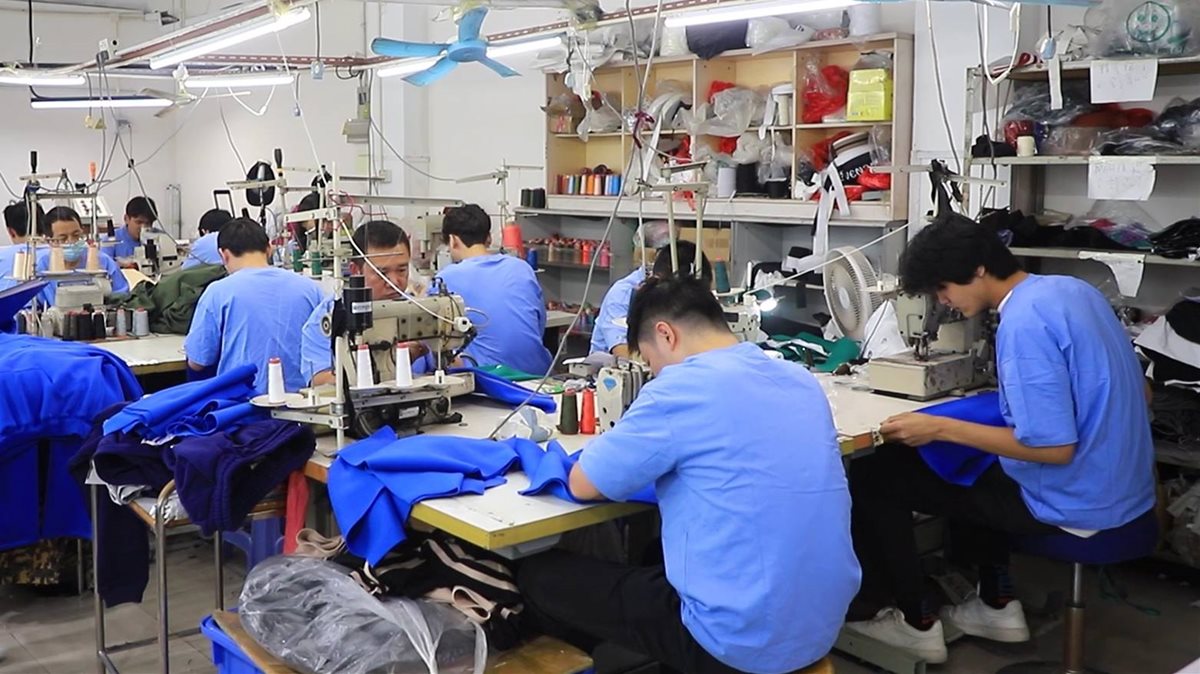
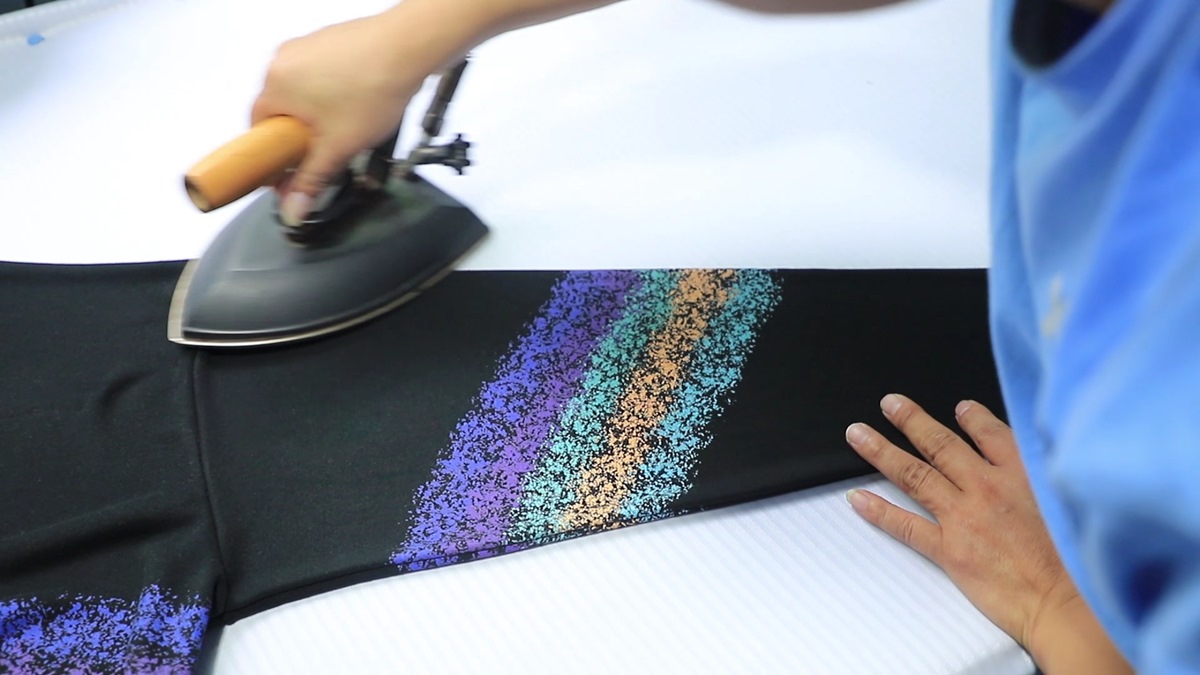
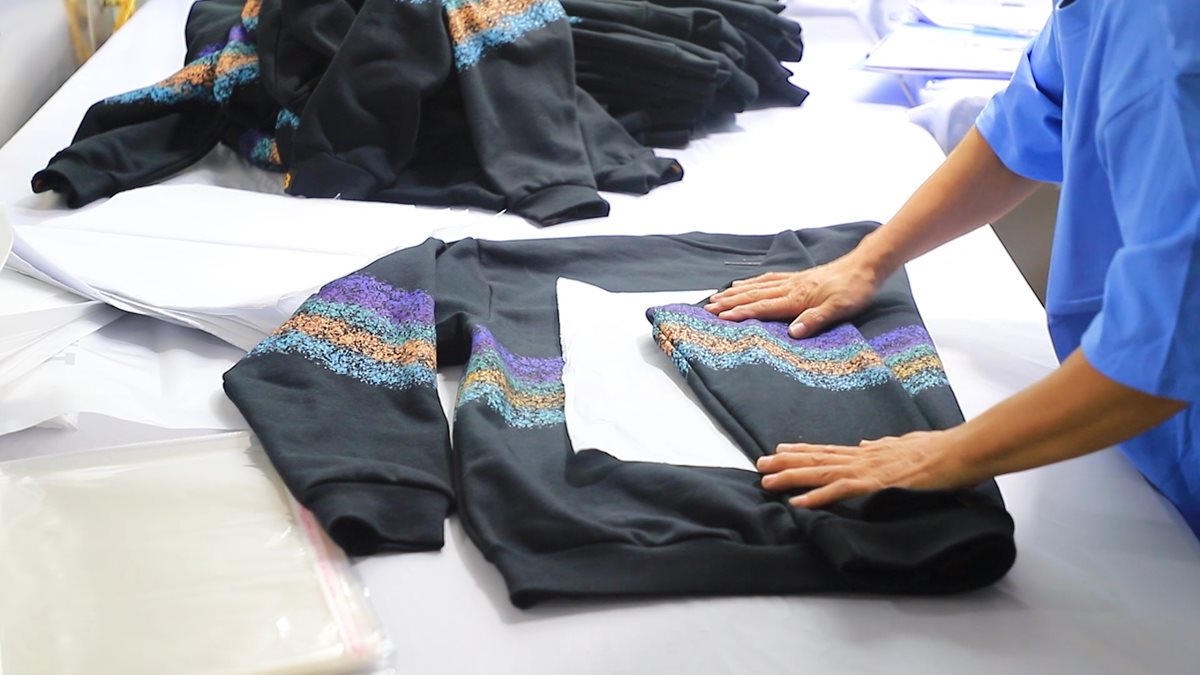
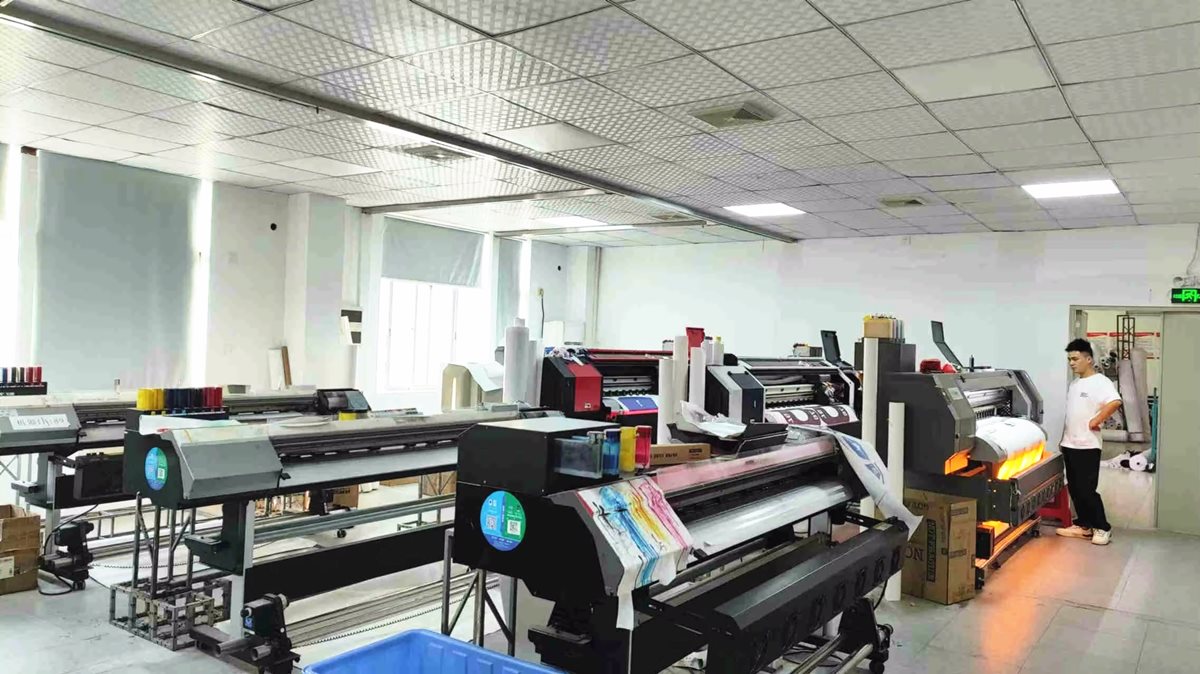
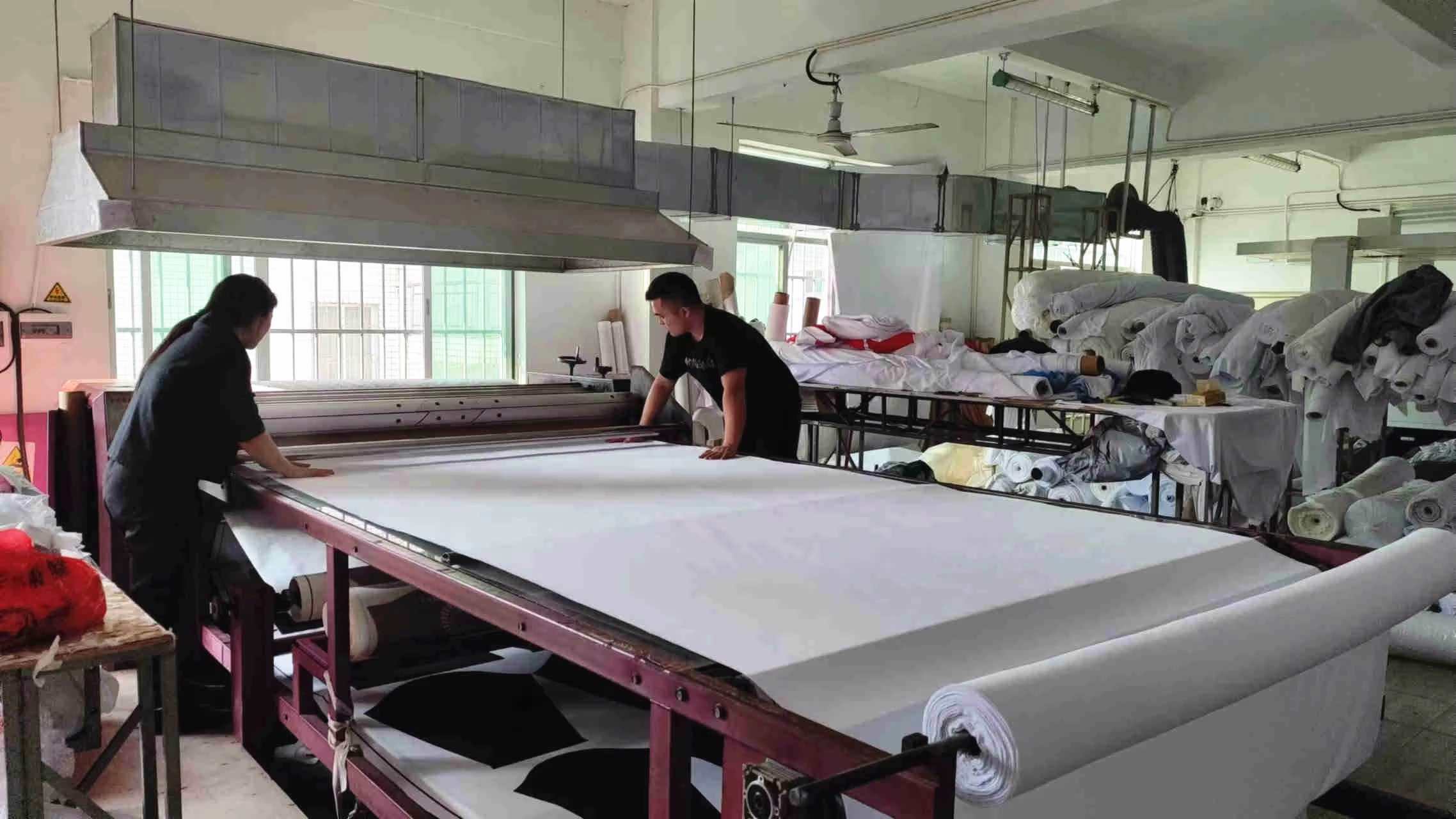
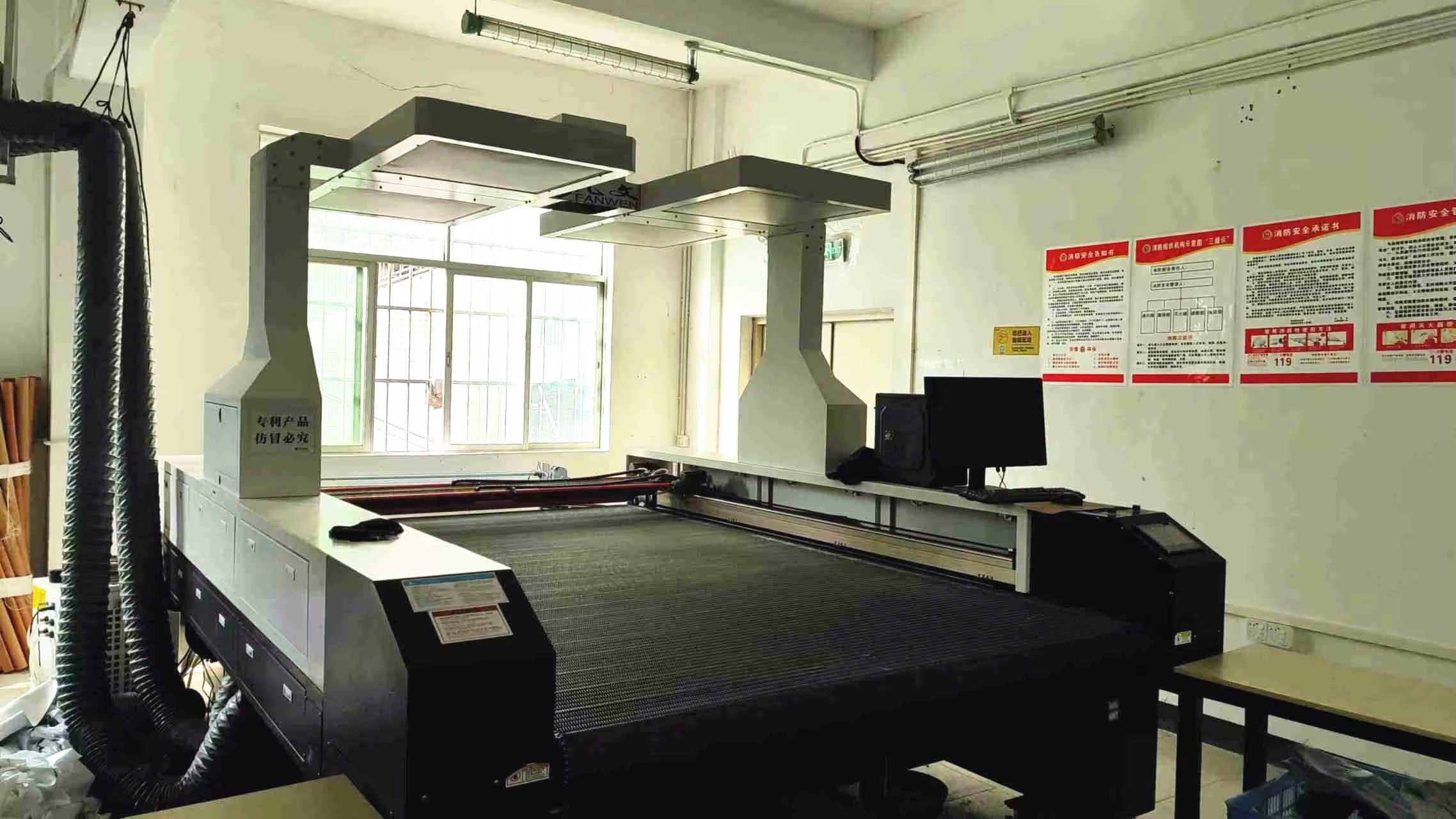
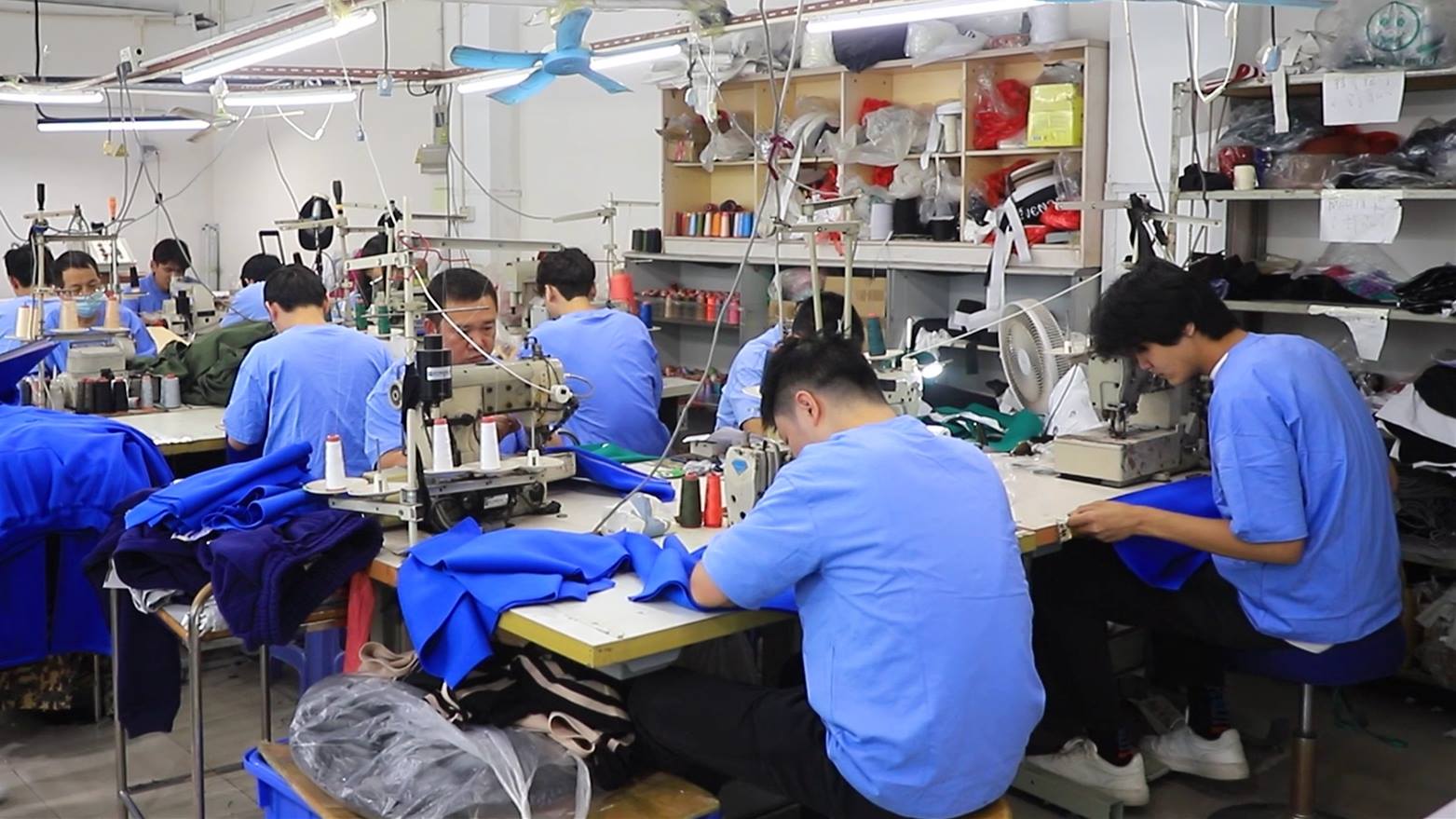
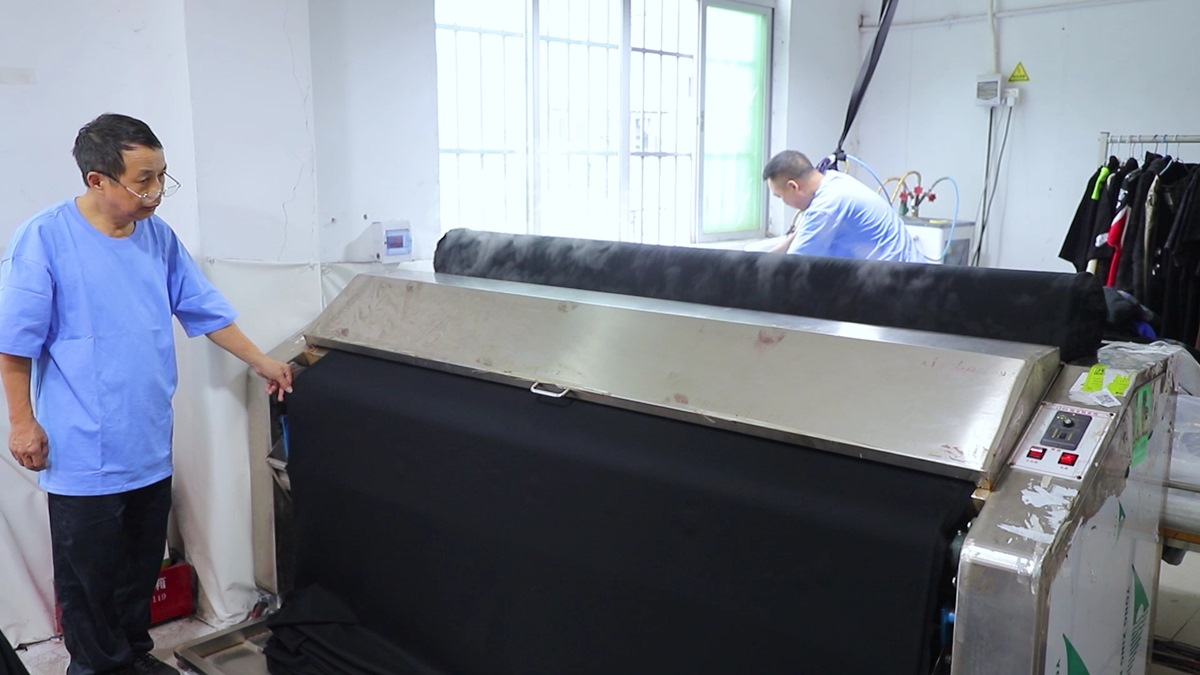
In a volatile retail landscape, thermal apparel brands encounter massive seasonal shifts, long manufacturing lead times, and unstable customer retention due to poor material selections. Achieving growth requires a strong manufacturing partner equipped with modern process integration.
Traditional thermal wear factories impose high minimum order quantities (often 3,000+ pieces per color), forcing brands to predict exact consumer preferences months in advance. By leveraging NovaFair's flexible manufacturing system, which supports MOQs as low as 2 pieces, brands can run real-world market tests, gather consumer feedback, and rapidly scale production only on styles showing solid demand.
Thermal tops function as the first layer of contact against the skin. Coarse stitching patterns can cause severe chafing. To solve this, premium suppliers employ specialized four-needle six-thread (flatlock) stitching. This creates completely flat seams, increasing seam durability and optimizing overall body comfort during athletic movement.
Sustainability is no longer optional. Today's global buyers look for suppliers using certified organic cotton, recycled polyester (RPET derived from post-consumer plastic bottles), and responsibly harvested Merino wool. Partnering with factories utilizing GRS (Global Recycled Standard) certifications ensures a brand’s marketing alignment with strict global guidelines.
The next decade will see a major transformation in how thermal garments are engineered, manufactured, and recycled. Sourcing directors must anticipate these technological shifts to maintain a strong competitive edge.
First, AI-driven body mapping will allow factories to optimize yarn placement during the knitting phase, creating custom thermals matched to individual thermal output zones. Second, the development of bio-synthetic fibers will replace oil-based polyester and nylon, offering identical moisture management properties without releasing microplastics in the wash.
Furthermore, smart thermals featuring integrated carbon nanotube heating elements powered by flexible batteries are moving from military applications into mainstream consumer fashion. By tracking these advancements and working alongside cutting-edge manufacturing facilities, global fashion brands can secure future market share.
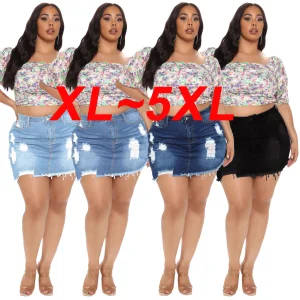
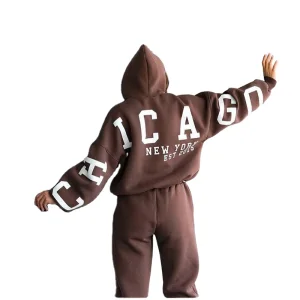
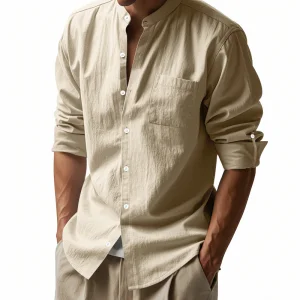
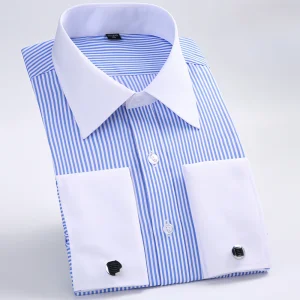
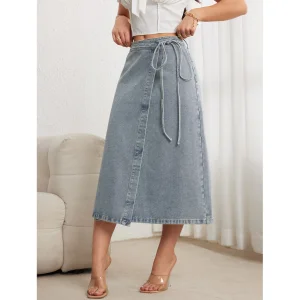
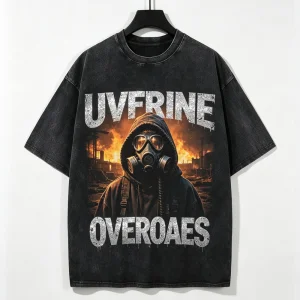
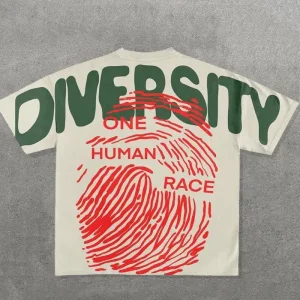
Explore our diverse design catalog. All items are customizable and engineered with premium quality controls.
 NovaFair Fashion