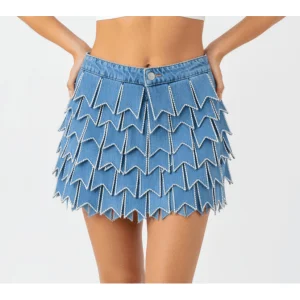
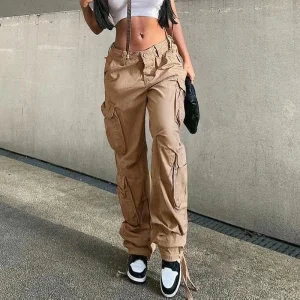
Explore our premium custom apparel collections engineered to meet high-performance B2B criteria, including street fashion, utility cargo, and customized denim.
Deep insight into industrial shifts, regional clusters, and commercial requirements driving the procurement of structured cotton garments.
The contemporary textile landscape has witnessed a rapid blur between formal tailoring and off-duty leisurewear. The cotton blazer acts as the definitive bridge in this paradigm shift. Corporate environments worldwide are transitioning from traditional wool blends to structured, breathable cotton weaves. Sourcing agents are reporting a 35% year-on-year demand surge for blazers featuring stretch fibers (elastane) blended with organic cotton to maintain aesthetic rigidity without sacrificing kinetic comfort.
Global production for tailored cotton outerwear is concentrated in distinct clusters. Southern China remains the vanguard of technological integration, offering complex finishing techniques like liquid ammonia and specialized laser cutting. Southeast Asia (Vietnam and Indonesia) continues to expand its manufacturing footprint for mid-tier bulk runs. Meanwhile, Eastern Europe and Central America serve specialized nearshore markets with quick-turnaround facilities, catering to tight delivery windows for European and North American fashion brands.
Regulatory pressures in the EU and NA are transforming fabric selection criteria. Certifications like GOTS (Global Organic Textile Standard) and OEKO-TEX Standard 100 have shifted from marketing differentiators to absolute entry requirements. Large scale B2B buyers must prioritize manufacturers that operate closed-loop dye houses and secure non-hazardous chemical certification for all raw materials, particularly for items subjected to heavy enzyme washing.
A precision breakdown of fiber selection, weave architecture, and canvas construction parameters that define garment durability and hand-feel.
| Fabric Classification | Common Weight (GSM) | Ideal Structural Application | Performance Profile |
|---|---|---|---|
| Long-Staple Cotton (Pima / Supima) | 220 - 280 GSM | Unstructured, high-end deconstructed blazers | Exemplary tensile strength, low pilling index, high luster, silky hand-feel. |
| Cotton-Linen Blends (60/40 or 50/50) | 180 - 240 GSM | Spring/Summer lightweight unstructured jackets | Optimal thermal regulation, high breathability, deliberate natural creasing properties. |
| Heavyweight Cotton Twill / Drill | 300 - 420 GSM | Utility chore blazers, structural workwear jackets | High abrasion resistance, excellent dimensional stability, rugged visual identity. |
| Cotton-Elastane Blends (98/2 or 97/3) | 250 - 320 GSM | Slim-fit tailored blazers, daily corporate wear | Enhanced shape recovery, multi-directional stretch, reduced seam slippage risks. |
| Cotton Corduroy (Fine to Wide Wale) | 320 - 450 GSM | Autum/Winter textured blazers, vintage style | Substantial thermal insulation, high pile density, distinct textural aesthetic. |
Premium cotton blazers utilize half-canvas or floating canvas architectures rather than fully fused methods. A half-canvas construction, employing horsehair and cotton blends, allows the blazer to mold naturally to the wearer's chest contours while preserving the breathability of the cotton shell fabric.
Cotton fibers inherently exhibit poor elastic recovery, making them prone to creasing. Modern B2B standards call for liquid ammonia treatment. This process alters the crystalline structure of the cellulose fibers, smoothing the surface and providing high wrinkle resistance without sacrificing breathability.
Industrial washing protocols require dye fastness ratings of Grade 4 or higher under ISO 105-C06 standard. We ensure fiber reactive dyes are utilized on cotton fibers to guarantee color saturation retains its depth through repeated commercial dry cleaning or standard laundry wash cycles.
A B2B procurement checklist to evaluate, screen, and audit potential manufacturing partners for high-quality cotton blazer production.
In a volatile market, look for manufacturers who support agile inventory setups. While traditional mills demand 1,000 units, modern B2B partners offer flexible low-MOQ setups, allowing apparel brands to test colorways and sizes without extensive capital commitments.
Evaluate the design capabilities. Top-tier manufacturers feature dedicated R&D houses with advanced CAD systems to support pattern optimization, ensuring tailored structures scale proportionately across sizing charts (XS to 4XL) without distortion.
High-end cotton blazers call for uniform stitch density—typically between 12 to 14 stitches per inch (SPI). Verify that the manufacturer operates automated welt pocket machines, sleeve setting equipment, and computer-controlled buttonhole sewing lines.
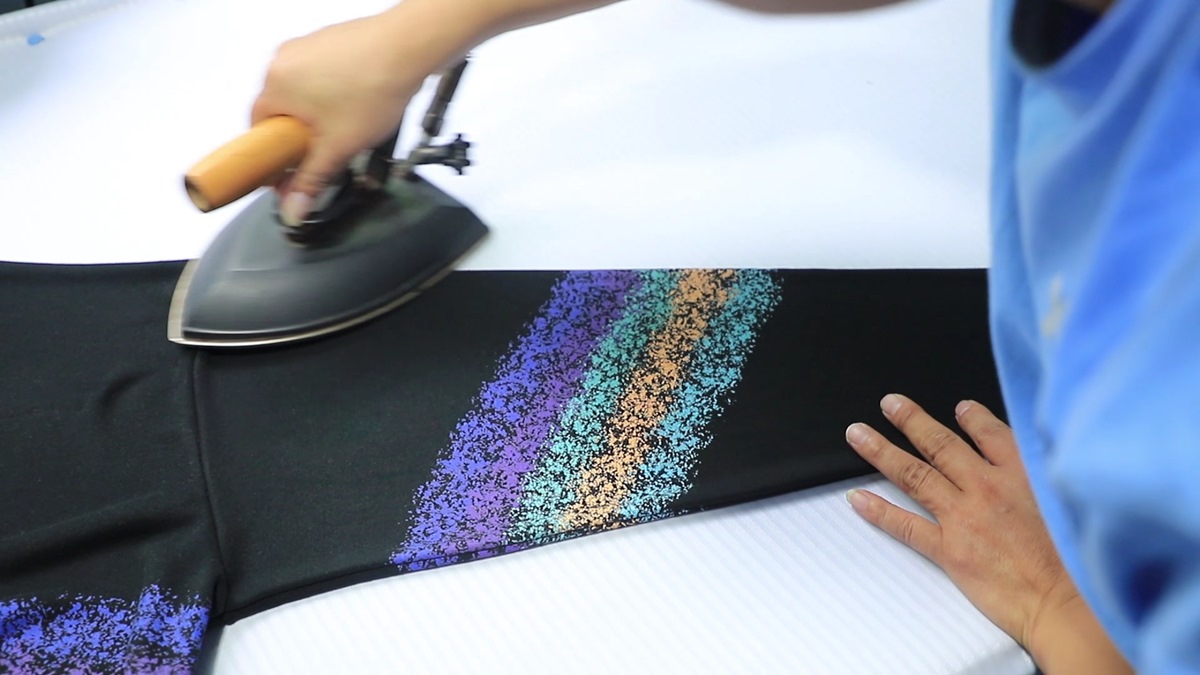
Shape retention relies on the final pressing phase. Look for facilities using multi-stage steam ironing forms and industrial vacuum buck presses. Proper pressing locks the canvas and cotton shell shape, preventing post-shipment shrinkage and lapel curling.
Leveraging 20 years of textile engineering, design precision, and global logistics execution.
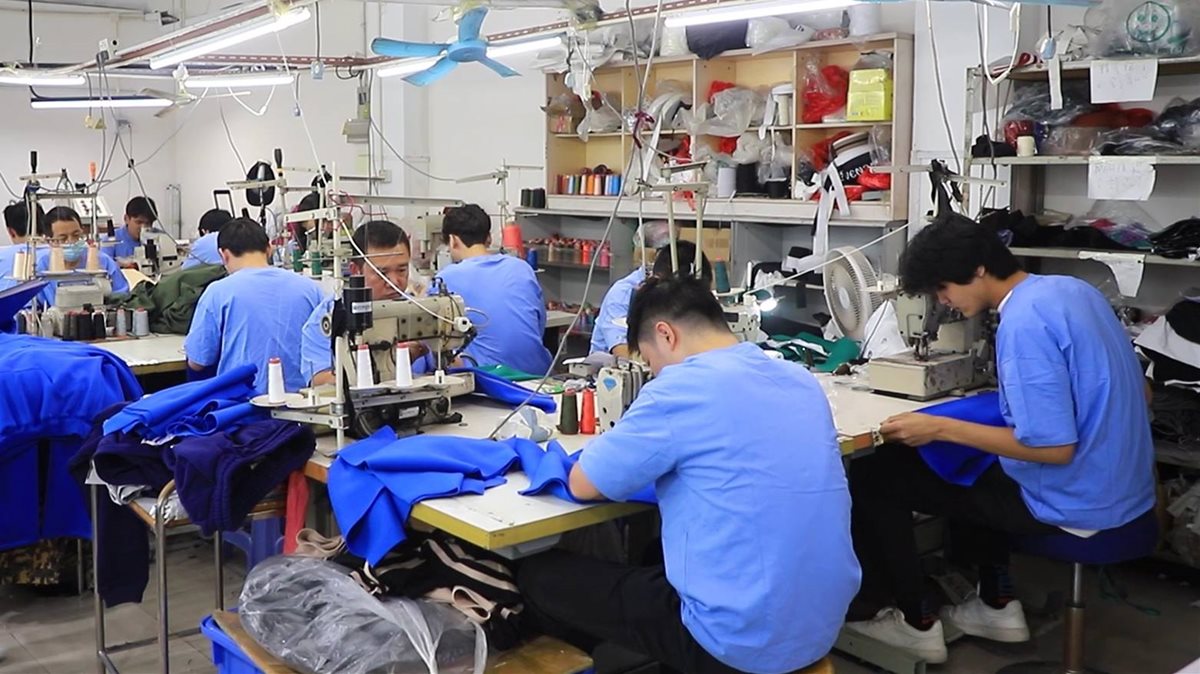
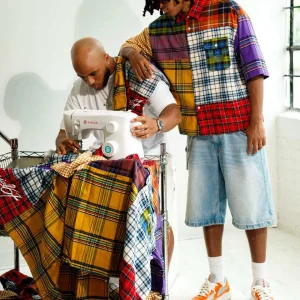
Guangdong NovaFair Fashion Co., Ltd. is a leading professional garment manufacturer in China with over 20 years of experience in the apparel industry. We specialize in the design, development, and production of high-quality and fashion-forward clothing, dedicated to meeting the evolving needs of global markets driven by economic, cultural, and lifestyle changes.
With a strong focus on innovation and flexibility, NovaFair has built a responsive and efficient production system that supports modern business demands, including low MOQ (as low as 2 pieces), fast sample development, competitive pricing, and reliable customer service. These advantages allow us to support designers, brands, and wholesalers with greater agility and creativity.
Over the years, we have cultivated a professional and collaborative team culture rooted in trust, efficiency, and continuous improvement. Our ability to adapt quickly to changing trends and client requirements has enabled us to build long-term partnerships across different regions.
From a small, experience-driven workshop to an internationally oriented apparel manufacturer, NovaFair has continuously evolved with the fashion industry. We embrace change as an opportunity for growth and innovation, constantly improving our craftsmanship, production capability, and service quality. Today, we proudly serve emerging designers, established brands, and private labels, especially in the North American and European markets, offering customized solutions that bring creative concepts to life.
To become a trusted global partner in fashion manufacturing, empowering designers and brands worldwide with flexible, sustainable, and high-quality apparel solutions—especially in the field of customized denim and contemporary fashion wear.
We are guided by the values of customer-first, integrity, unity, adaptability, passion, professionalism, and shared growth. Our mission is to deliver exceptional garments and reliable manufacturing solutions while building long-term partnerships based on trust, creativity, and mutual success.
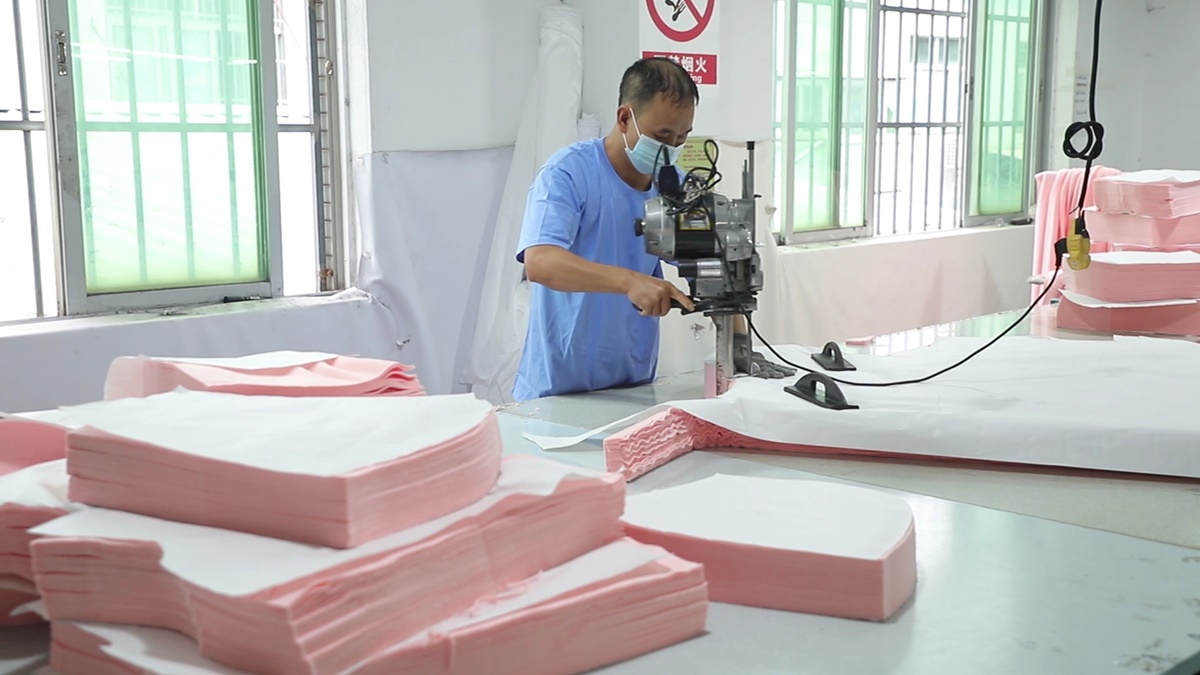
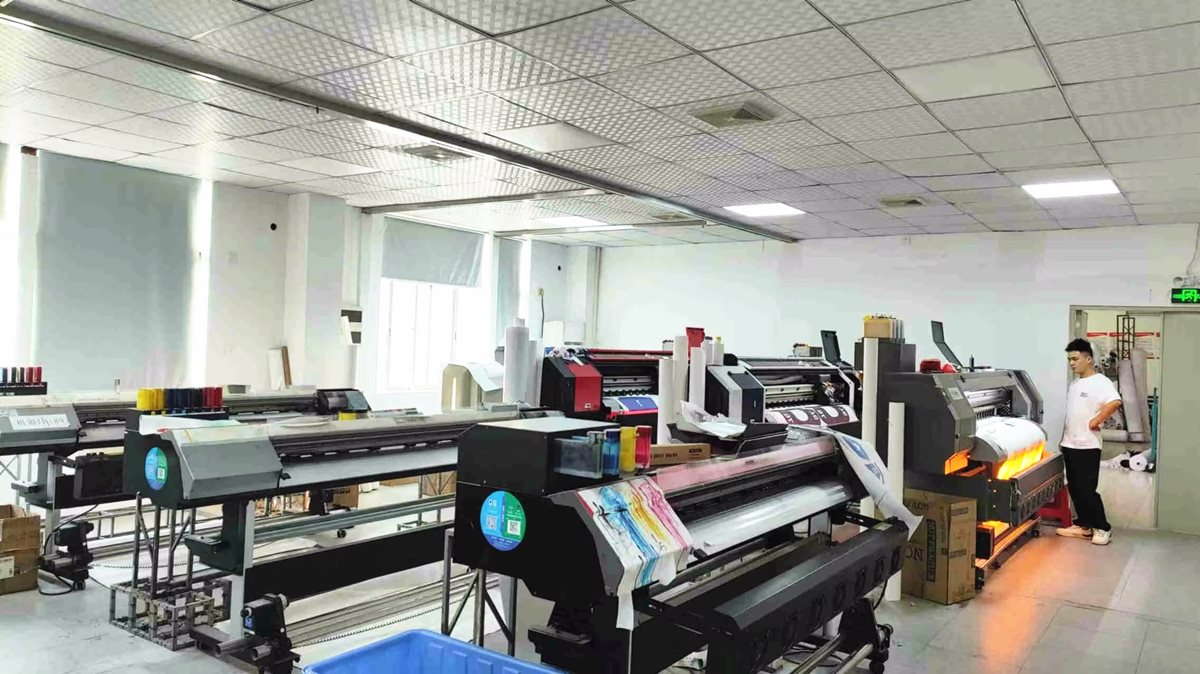
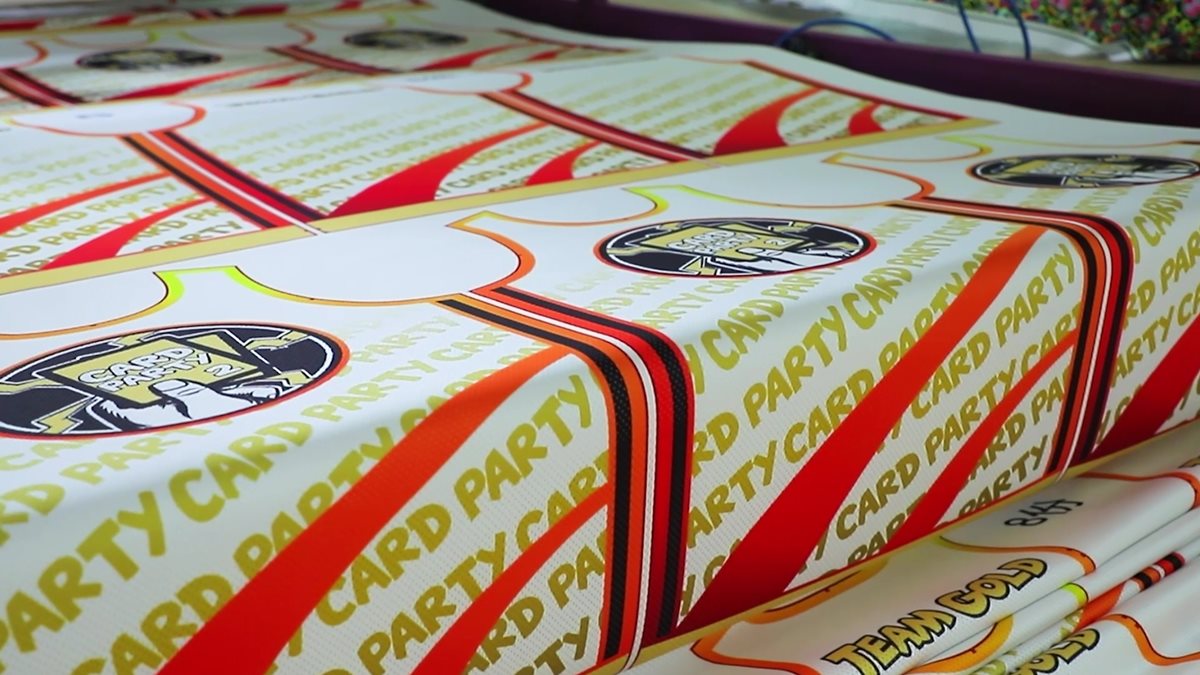
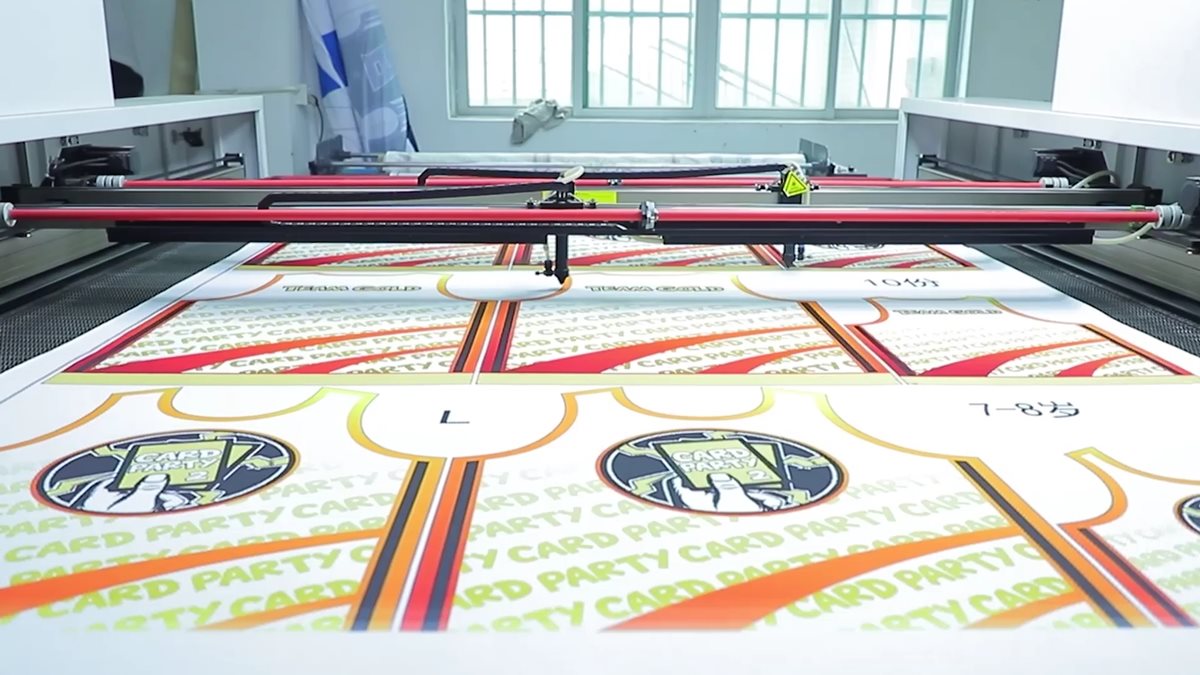
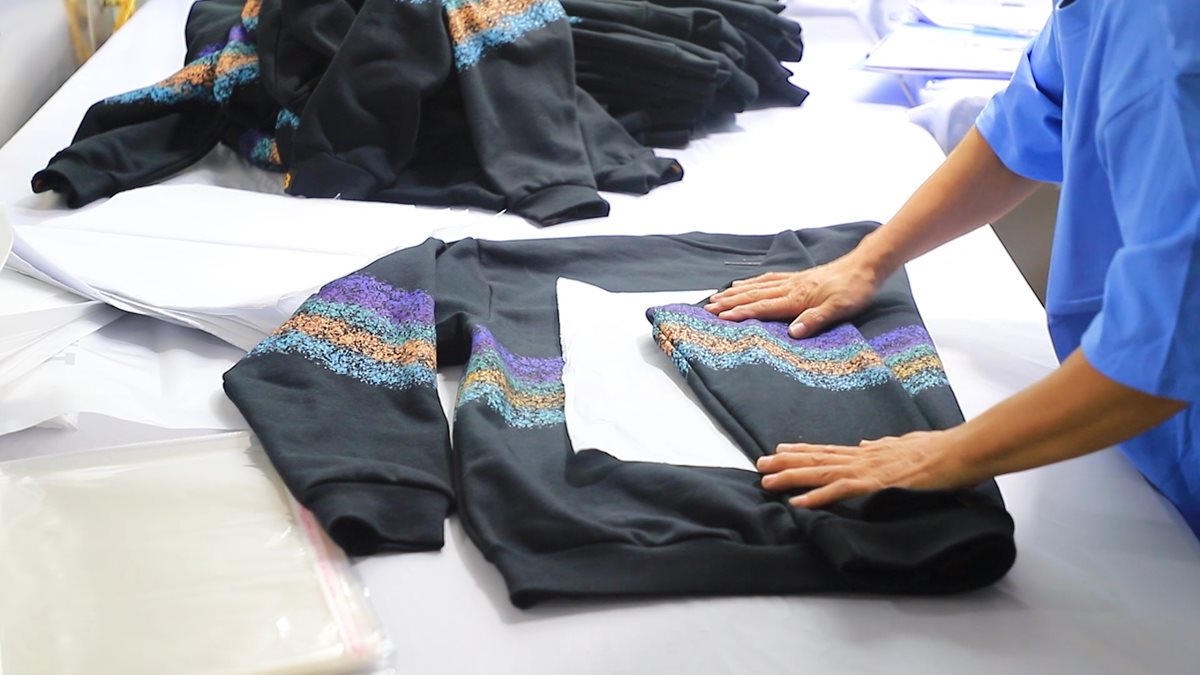
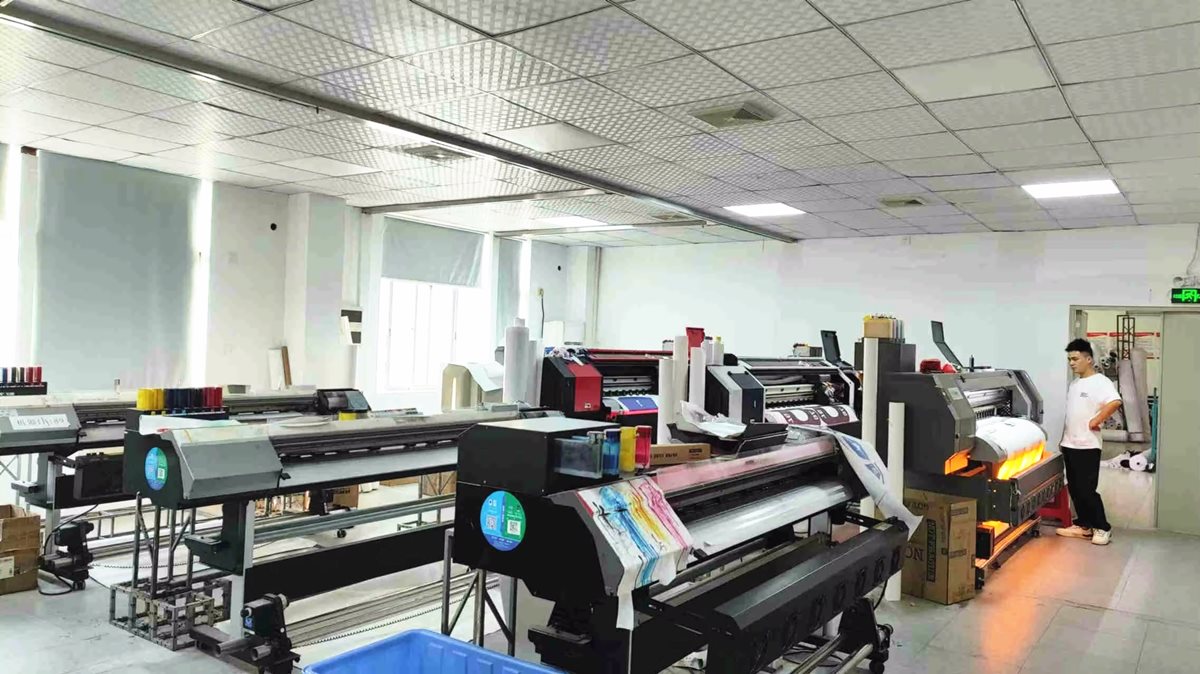
Our integrated production line features state-of-the-art machinery and standardized quality controls to deliver tailored excellence.
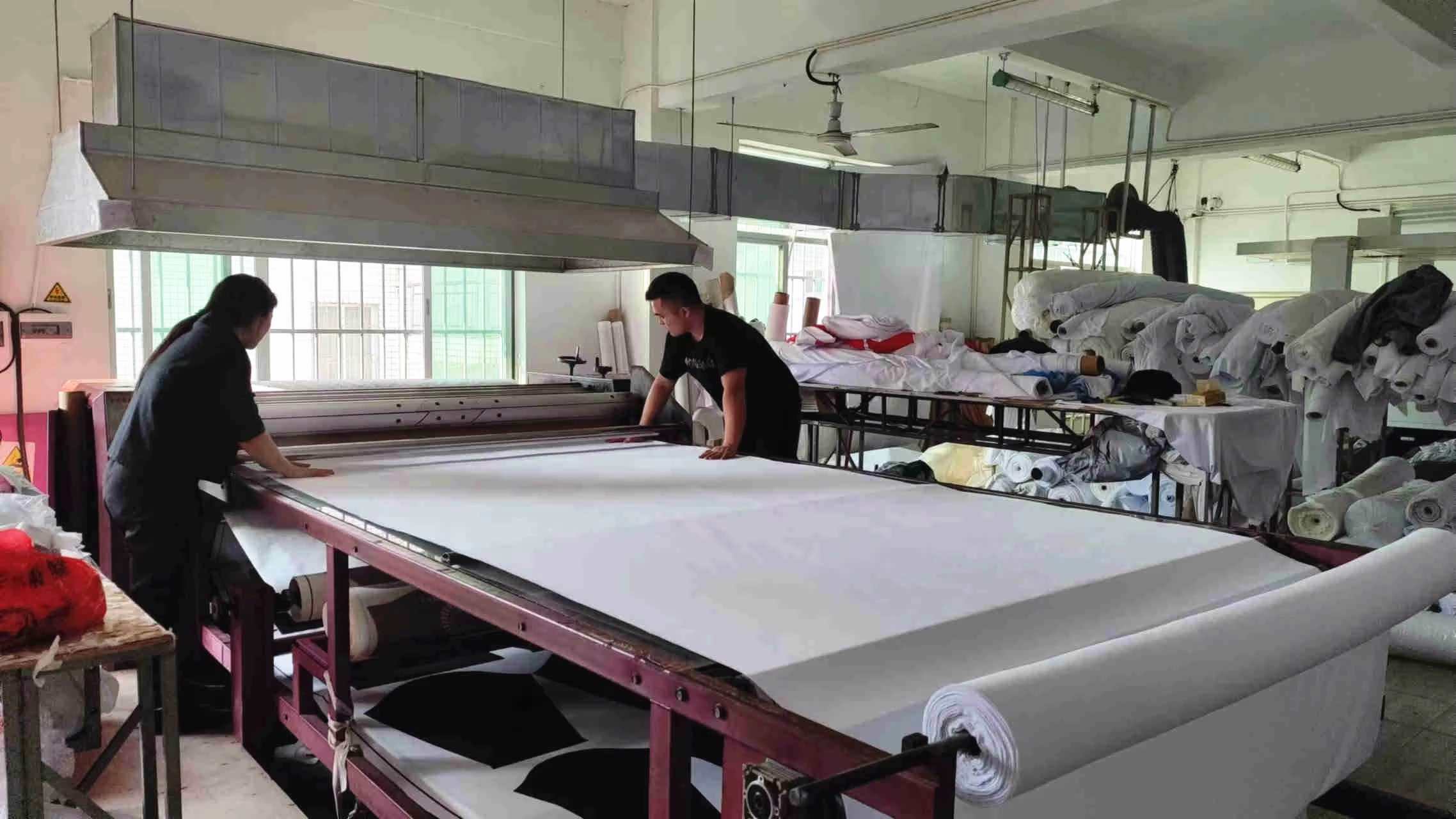
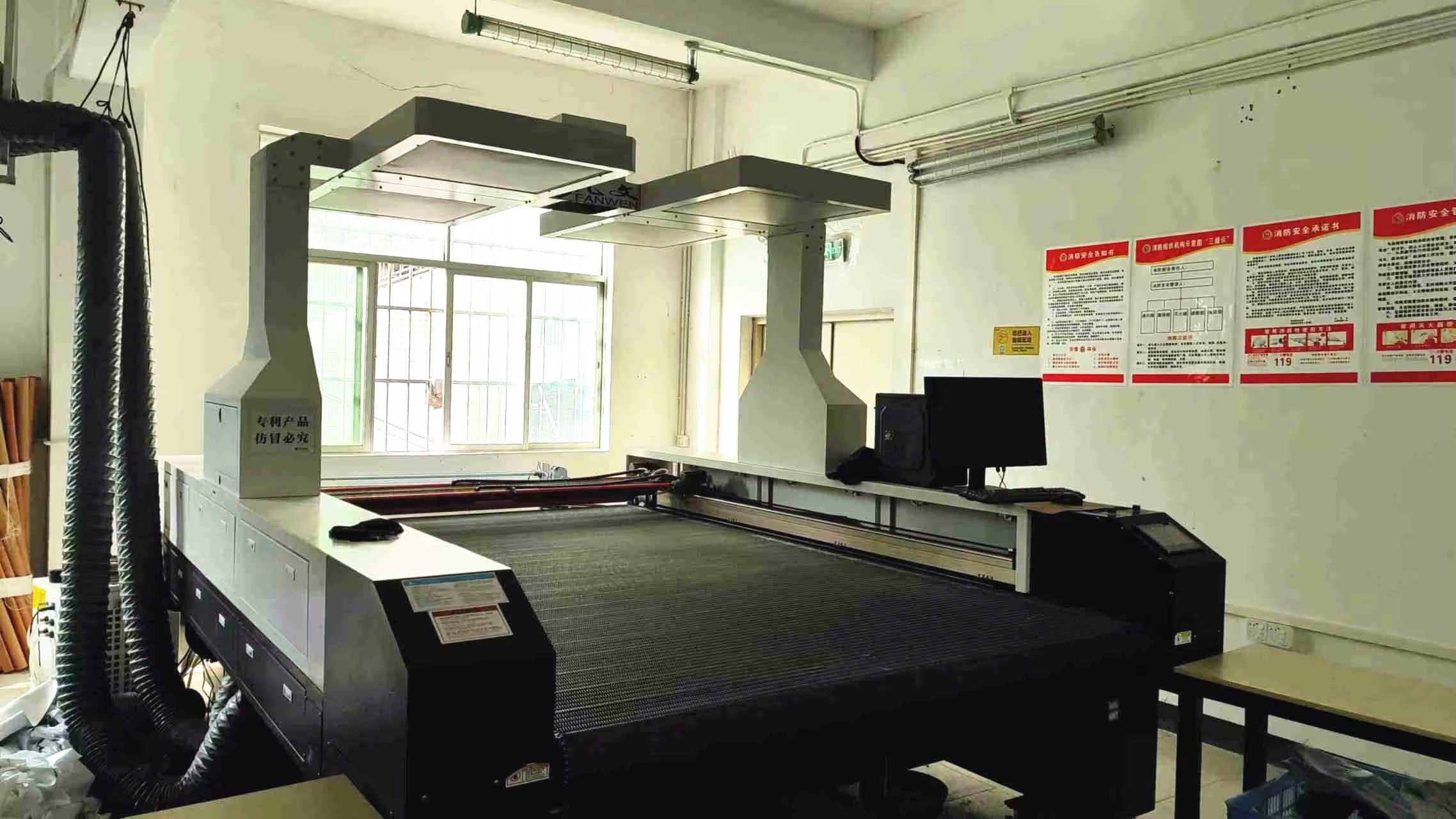
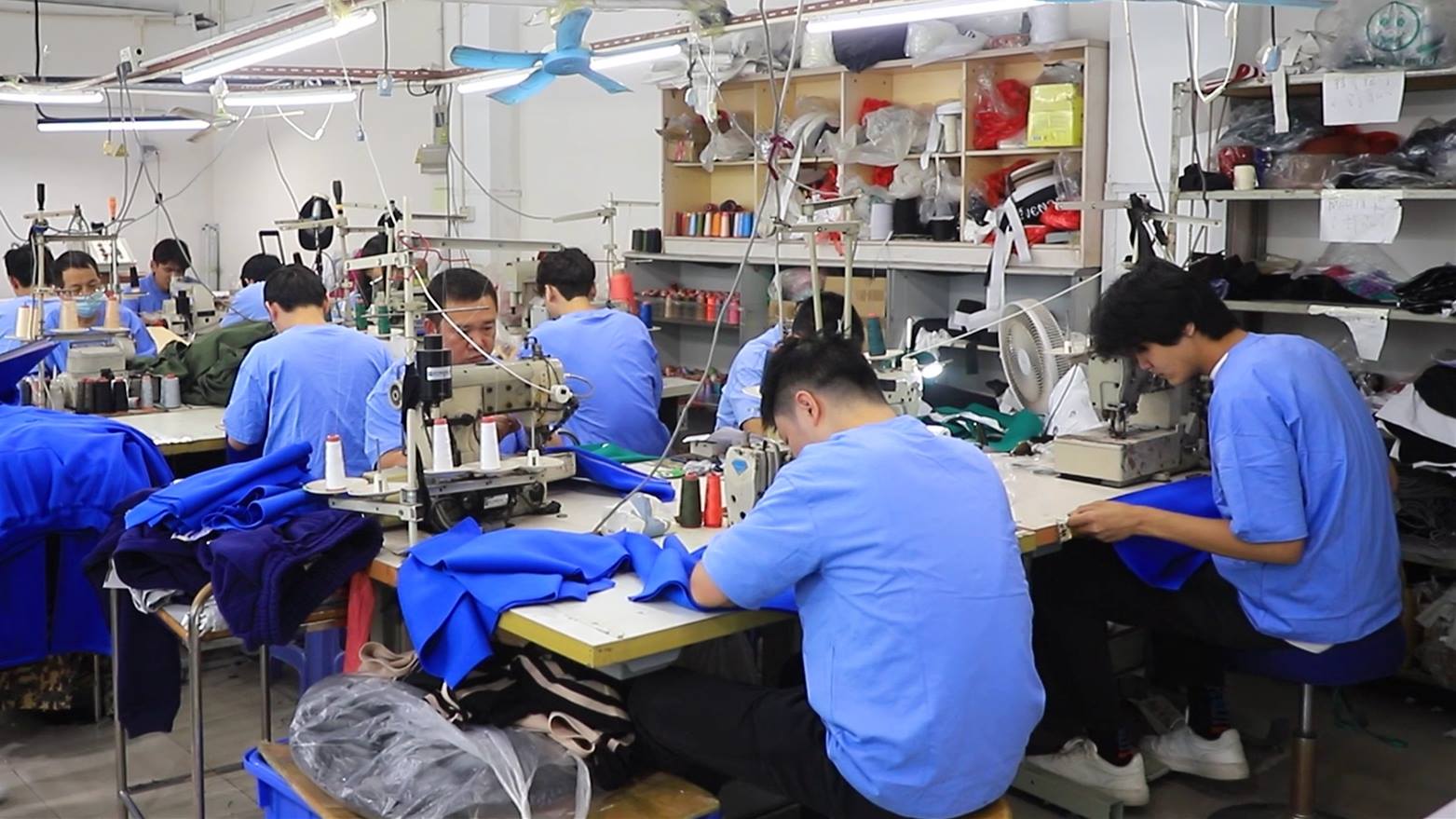
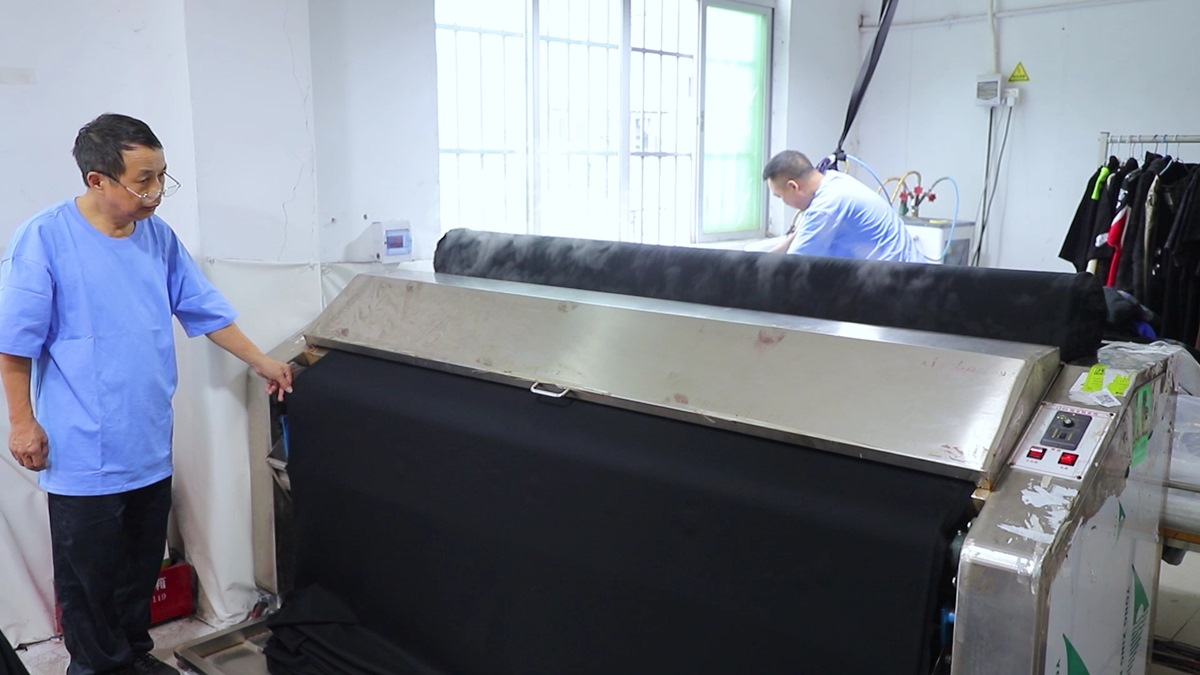
Adapting physical garment designs to suit climatic, cultural, and corporate environments globally.
In tech and creative hubs like Silicon Valley, New York, and Seattle, the demand lies in unlined, unstructured cotton-spandex blazers. Key features include patch pockets and notch lapels, providing transition wear that shifts easily from active commutes to board presentations.
Western European markets demand precise tailoring. Products are designed with half-canvas interiors, double vents, and premium eco-friendly horn buttons. Sourcing focuses on 100% GOTS-certified organic cotton to align with strict regional sustainability guidelines.
For tropical and high-humidity climates, design shifts toward ultra-lightweight cotton-linen blends (180 GSM) without lining. Saccaro-shoulder construction and open-weave meshes maximize ventilation, making them popular in corporate landscapes across Tokyo, Singapore, and Hong Kong.
A strategic overview of emerging manufacturing technologies, eco-friendly developments, and efficiency protocols driving the future of B2B garment manufacturing.
Phase-out of synthetic polyesters in inner trims and pocket bags. Transitioning completely to biodegradable cotton lining fabrics and natural cotton-based interlinings, allowing for easier recycling processing at the end of the garment life cycle.
Integrating advanced CAD algorithms to optimize fabric cutting layouts. This process reduces textile waste by up to 18% per run and allows digital fitting tests, which helps expedite sample lead times from 10 days down to 48 hours.
Integrating closed-loop water treatment technology into garment dyehouses. This system filters and recycles 95% of wash water during enzyme and garment dyeing steps, satisfying strict global standards for water conservation.
Integrating unique QR codes inside cotton blazer labels. This allows buyers and end consumers to verify the organic origin, farm source, yarn mill location, and carbon footprint of the garment.
Direct answers to essential technical, chemical, and logistical queries from sourcing agents and brands.
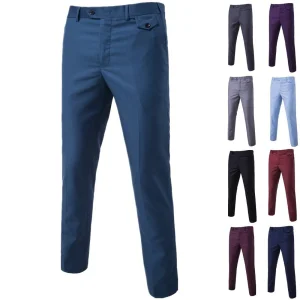
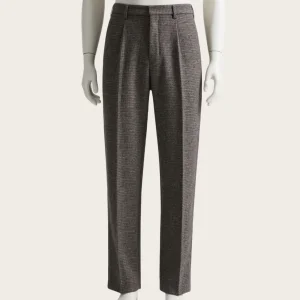
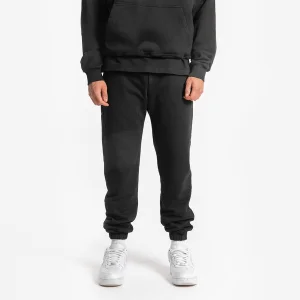
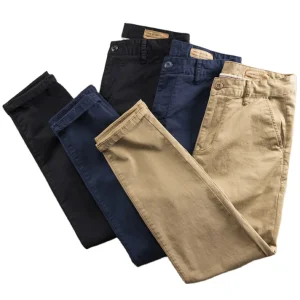
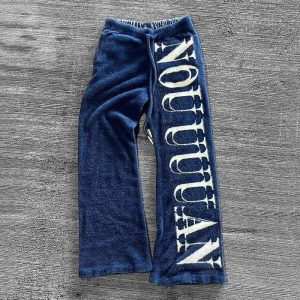
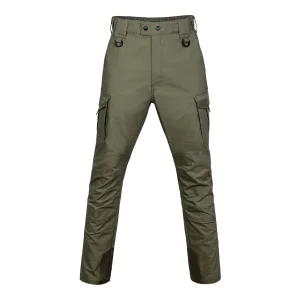
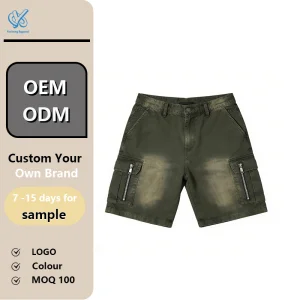
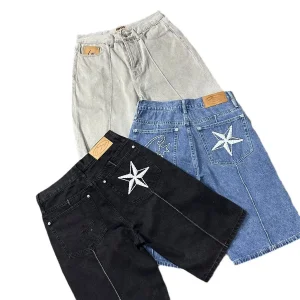
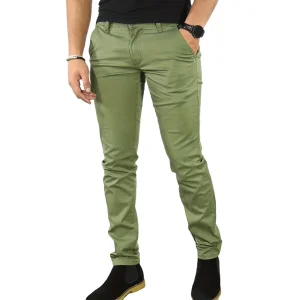
Browse our selection of heavy cotton pants, performance activewear, and customized utility pants constructed with the same manufacturing care.
 NovaFair Fashion