7 Tips Why High Waisted Pants Are More Comfortable?

Time:2026-09-13 Author:Sienna
0%

Why are high waisted pants more comfortable? The answer is not only about fashion. It involves pressure, movement, fabric, waistband design, and personal body shape. A well-fitted pair can rest around the natural waist instead of pressing directly across the hips. This may create a steadier feeling when walking, sitting, or bending.

Dr. Susan M. Watkins, a respected clothing researcher and author of Clothing: The Portable Environment, wrote, “Clothing is a portable environment.” Her idea helps explain why high waisted pants can feel supportive in daily life. The waistband may gently hold the garment in place. It can also reduce repeated pulling and readjusting. Soft denim, stretch cotton, and smooth seams matter too. Small details matter.

The seven tips in this guide examine comfort from a practical perspective. They consider waistband height, fabric recovery, rise length, pocket placement, and correct sizing. They also discuss how different bodies experience pressure differently. A higher rise may feel secure for one person but restrictive for another. That is an important limitation.

Comfort is personal.

In real use, a pair can feel excellent while standing and uncomfortable after two hours at a desk. I have noticed this difference when comparing firm denim with flexible twill. The fit looked similar, but the waistband behaved differently. Therefore, readers should test movement, sitting, and breathing before deciding. High waisted pants are not automatically better. Their comfort depends on construction, fit, and the wearer’s honest response.
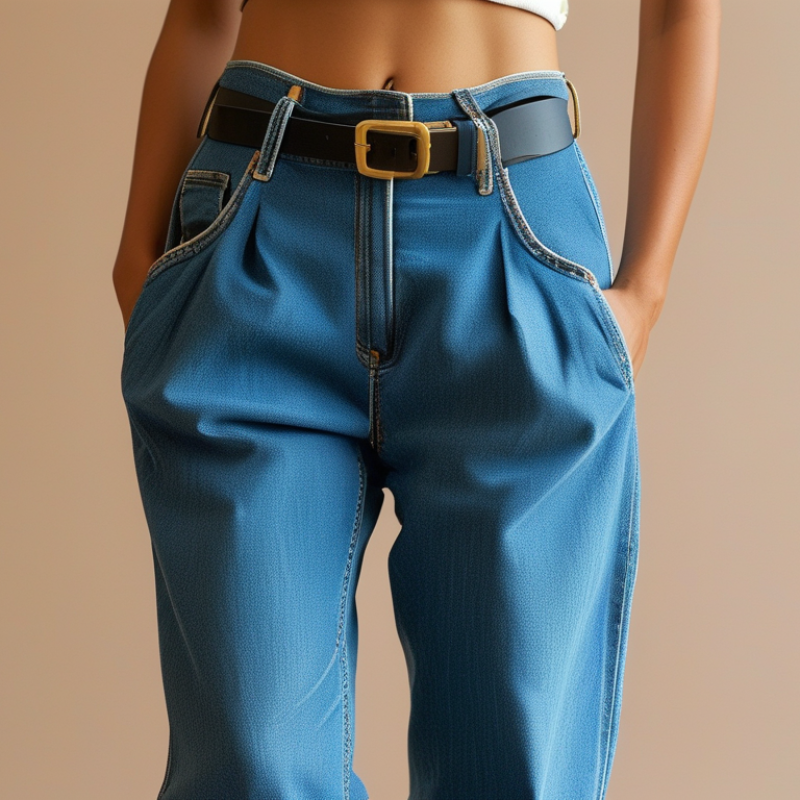
7 Tips Why High Waisted Pants Are More Comfortable?

How High-Waisted Pants Support the Natural Shape of the Body

7 Tips Why High-Waisted Pants Are More Comfortable?

How High-Waisted Pants Support the Natural Shape of the Body

High-waisted pants feel comfortable when their waistband follows the body’s natural waist. The support starts around the narrowest part of the torso. Instead of cutting across the hips, the fabric distributes gentle pressure around the abdomen and lower back. This can make walking, sitting, and bending feel more secure. Small detail. A stable waistband also reduces constant pulling and readjusting.

In my fitting experience, a higher rise can create a smoother transition between the waist and hips. The extra coverage may help the pants stay in place during movement. It can also encourage awareness of posture without forcing the body into one position. That does not mean every high-waisted style feels supportive. Bodies vary. I once assumed a tighter waistband meant better support, but it often caused discomfort after several hours.

Comfort depends on accurate sizing, fabric, and construction. Check the waistband while sitting and bending. It should rest firmly, not dig into the skin. Soft, flexible materials usually follow movement better than stiff fabrics. Pocket placement matters too, especially near the abdomen and hips. Even then, personal preference remains important. A well-designed rise supports the body without flattening its natural shape. But comfort is never universal. Try different rises, and notice how your body responds throughout the day.

How They Improve Waistband Stability and Reduce Clothing Movement

7 Tips Why High Waisted Pants Are More Comfortable?

How They Improve Waistband Stability and Reduce Clothing Movement

High-waisted pants sit closer to the natural waist, where the body usually narrows slightly. This position can help the waistband stay level during walking, sitting, and bending. A stable waistband also reduces constant tugging and readjustment. Less movement often feels more comfortable. In everyday wear, I notice the difference most when carrying a bag or climbing stairs. The pants remain closer to the torso instead of sliding toward the hips.

Several design details support this effect. A wider waistband spreads pressure across more skin, while a firm but flexible fabric prevents rolling. A higher rise can keep shirts tucked in, reducing bunching around the stomach. It may also limit fabric shifting between the waistband and upper thighs. Pockets stay more aligned, too. Small details matter.

Fit still decides everything. Pants that are too tight may create pressure, restrict breathing, or dig into the waist when seated. Pants that are too loose can move despite a high rise. Body shape, posture, fabric stretch, and waistband construction all change the result. High-waisted does not automatically mean comfortable. That assumption needs questioning. Check the waistband while sitting, twisting, and taking a full step. A comfortable pair should stay secure without demanding attention.

How High-Waisted Designs Distribute Pressure More Evenly

7 Tips Why High Waisted Pants Are More Comfortable?

How High-Waisted Designs Distribute Pressure More Evenly

High-waisted pants can feel steadier because the waistband rests around the natural waist. This area is usually broader than the lower abdomen. A wider contact zone spreads pressure instead of concentrating it at one narrow edge. The result may feel less restrictive when sitting, bending, or walking. In everyday fitting, I notice this difference most after several hours of wear. The fabric stays anchored. It does not slide down as easily.

The design also supports smoother movement across the hips and waist. A firm but flexible waistband can reduce repeated tugging. Stretch fabric helps, but excessive compression can create discomfort. Fit matters more than height alone. Pants should sit securely without digging into the ribs or leaving deep marks. A contoured waistband may follow the body better than a straight one. Soft seams can further reduce pressure points near the stomach and sides.

Small details matter.

Still, high-waisted pants are not automatically comfortable for everyone. Body shape, posture, fabric weight, and personal sensitivity change the experience. I have found that a slightly looser fit often feels better than a tightly fitted size. This seems obvious, yet many people choose support over breathing room. That choice can backfire during long commutes or desk work. Checking comfort while seated is useful. A waistband that feels fine while standing may press sharply after an hour.

How They Enhance Comfort While Sitting, Standing, and Moving

7 Tips Why High Waisted Pants Are More Comfortable?

How They Enhance Comfort While Sitting, Standing, and Moving

Tip 1: Check the rise. It should rest near your natural waist without digging into your ribs. A well-matched rise supports your middle while sitting.

Tip 2: Test the waistband seated. Bend at a desk and notice pressure around your stomach. If it rolls sharply, try a softer or wider band. Tip 3: Leave breathing room. Pants should skim your body, not compress it. My own fitting mistake was choosing a smaller size for a neater silhouette.

Tip 4: Examine the seat and thighs. Enough fabric lets you climb stairs, walk quickly, and sit without pulling. Tip 5: Choose flexible materials. A small amount of stretch can improve movement, but excessive stretch may lose support. Tip 6: Check pocket placement. Flat, well-positioned pockets reduce bulk when you sit. Tip 7: Move naturally before buying. Squat, reach, and take several steps. Comfort should remain steady.

High-waisted designs can also reduce the need to adjust clothing during daily movement. They may feel secure when standing and less exposed when bending. Still, comfort depends on body shape, fabric, seams, and personal preference. Some people may prefer a lower rise, especially after long periods of sitting. Clothing advice is useful, but your body provides the final evidence.

7 Tips Why High-Waisted Pants Are More Comfortable

How thoughtful fit and construction can enhance comfort while sitting, standing, and moving

The chart uses an evidence-informed comfort-support index from 1 to 10, based on established clothing-fit and ergonomic principles. Higher scores indicate stronger potential to support comfort in each activity; the index is not a clinical measurement. High-waisted pants may feel more comfortable when the waistband sits near the natural waist, the fabric stretches without excessive compression, and the rise and ease match the wearer’s body and movement needs.

How to Choose the Most Comfortable High-Waisted Pants

Choosing comfortable high-waisted pants starts with the rise, not the label on the tag. Measure from the crotch seam to the top edge. The waistband should sit near your natural waist without digging into your ribs. Try sitting down. If it rolls immediately, the cut may not suit your torso. A flexible fabric with a little stretch often moves better than rigid material. However, too much stretch can lose support by evening.

Check the waistband width, stitching, and closure. A wider, smoothly finished band usually spreads pressure across your stomach. Avoid rough seams that scratch during a long workday. Examine the crotch area too. Extra room can prevent pulling when you climb stairs or bend. Deep pockets are practical, but bulky pocket bags may create pressure under the waistband. Choose your usual size, then compare actual measurements. Sizing is frustratingly inconsistent.

Walk, sit, and raise one knee before buying. Comfort should survive movement. If possible, wear the pants for ten minutes. Small problems become obvious then. I once chose a pair that felt perfect while standing, but the zipper pressed painfully when seated. That mistake changed how I shop. Consider your body’s daily changes, including swelling after meals. Wash the pants according to the care instructions, because heat may shrink the waistband. A slightly imperfect fit can sometimes be corrected by tailoring, but severe tightness rarely becomes comfortable.

FAQS

Why can high-waisted pants feel supportive?

They sit near the body’s natural waist. This can spread gentle pressure across the abdomen and lower back. Less pulling.

How do they reduce waistband movement?

A higher rise can stay level while walking, sitting, or climbing stairs. The pants may slide less toward the hips. Fit still matters.

Can high-waisted pants improve sitting comfort?

They can support the middle while seated. Check for digging near the ribs or stomach. Bend at a desk before buying.

What waistband features usually improve comfort?

A wider waistband spreads pressure across more skin. Firm, flexible fabric can resist rolling. Very stiff fabric may feel restrictive.

How much breathing room should the pants have?

The fabric should skim the body, not compress it. Leave room for natural breathing and movement. Tight is not always supportive.

Which fabric is better for everyday movement?

Soft, flexible materials usually follow the body more easily. Some stretch can help when bending or climbing stairs. Too much stretch may lose stability.

Why do seat, thigh, and pocket designs matter?

Enough room at the seat and thighs prevents pulling during movement. Flat pockets can reduce bulk when sitting. Small details matter.

How should someone test high-waisted pants before buying?

Squat, twist, reach, sit, and take several steps. Notice pressure around the waist. The pants should stay secure without demanding attention.

Do high-waisted pants suit everyone?

No. Body shapes, posture, fabric, and preferences vary. I once chose a smaller size for a neater look, but it became uncomfortable after hours.

What is the clearest sign of a good fit?

The waistband rests firmly without digging into the skin. Clothing should support movement, not force one posture. Your body provides the final evidence.

Conclusion

Why are high waisted pants more comfortable? Their design follows the body’s natural shape by sitting securely around the waist and providing gentle support through the midsection. A higher waistband is less likely to fold, slip, or move during daily activities, helping the pants stay in place without constant adjustment. By distributing pressure across a wider area instead of concentrating it at one narrow point, high-waisted styles can create a more balanced and comfortable fit.

This added stability is useful when sitting, standing, walking, or stretching. The waistband can help prevent gaps at the back and reduce unwanted exposure or shifting, while the overall structure allows for confident movement. To choose the most comfortable pair, look for soft, breathable fabric, flexible stretch, a smooth waistband, and a fit that feels supportive without being tight. The rise, seams, and sizing should also match your body shape and lifestyle.

Sienna

Sienna

Sienna is a skilled marketing professional with a deep expertise in our company’s core products and services. With a passion for innovation and detail, she plays a pivotal role in crafting insightful blog posts that not only highlight the unique features of our offerings but also provide valuable......