When discussing the question, "Why do jeans get holes in the inner thigh?", insights from industry experts can shed light on this issue. Dr. Lisa Smathers, a fabric and wear expert, explains, “The friction from walking can wear down jeans, especially in the inner thigh area.”
Jeans endure a lot of stress during everyday wear. This wear can lead to unsightly holes, particularly where the fabric experiences constant friction. Our thighs, being in close contact with each other, create a perfect storm for fabric degradation. The material stretches and rubs against itself, leading to thin spots that can easily tear.
Understanding the dynamics of jeans can help in choosing the right fit. Many people often overlook how fit and fabric type influence longevity. Choosing jeans with reinforced stitching or a better fit may prevent premature wear. Reflecting on our choices, we might reconsider how we select jeans that can withstand our lifestyle demands without falling apart.
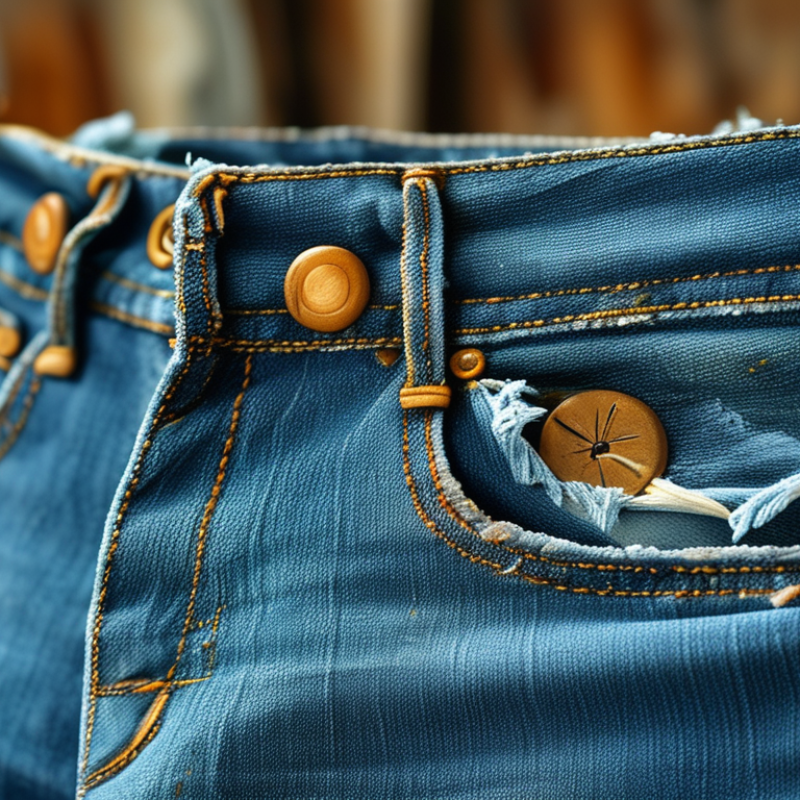
Jeans commonly wear out in the inner thigh area due to friction and movement. This region experiences the most contact, especially during walking or sitting. According to a study by the Denims & Jeans Association, 70% of denim wear occurs in this specific area. The repetitive motion creates heat, which weakens the fibers over time.
Another factor is fabric quality. Many jeans are made with blends of cotton and synthetic fibers. While this enhances stretch, it may compromise durability. The Cotton Incorporated Denim Study notes that higher cotton content generally leads to better longevity. However, the appeal of stretchy jeans often overshadows this fact.
Additionally, body shape plays a crucial role. Individuals with larger thighs may experience accelerated wear in this region. As the friction increases, it leads to fabric thinning, pilling, or even tearing. This dynamic highlights the need for thoughtful choices in fabric and fit. Choosing jeans that account for personal body type can minimize these issues and foster a better experience.
| Cause | Description | Impact on Jeans | Prevention Tips |
|---|---|---|---|
| Friction | Constant rubbing of the thighs causes fibers to break down. | Leads to thinning fabric and eventual holes. | Opt for looser fits or fabrics with reinforced inner thighs. |
| Fabric Quality | Lower quality denim wears out faster than premium denim. | Greater likelihood of defects and accelerated wear. | Invest in higher quality denim products. |
| Body Shape | Different body types create varying levels of friction. | Increased wear for those with thicker thighs. | Consider tailored jeans that fit your body shape. |
| Washing Methods | Harsh washing can weaken fibers. | Accelerates the breakdown of denim structure. | Wash in cold water and air dry when possible. |
| Exposure to Elements | Sunlight and humidity can degrade fabric quality. | May lead to color fading and fabric weakness. | Store jeans in a cool, dark place away from moisture. |
: Friction and movement cause jeans to wear out in the inner thigh area. This is where most contact occurs.
About 70% of denim wear occurs in the inner thigh, according to a study.
Fabric quality affects durability. Higher cotton content generally leads to better longevity, but stretchy options are popular.
Yes, larger thighs may cause increased friction. This can lead to fabric thinning or tearing.
Choose jeans with reinforced seams for added durability in high-stress areas.
Wash jeans inside out and use cold water to maintain fiber integrity.
Yes, avoid sitting with legs crossed for long periods. This can accelerate wear.
Regularly inspect your jeans for signs of wear. Address small issues like loose threads quickly.
Yes, minor habits may seem insignificant but can greatly increase the life of your jeans over time.
No option is perfect. Each choice needs reflection based on personal habits and body type.
Jeans are a staple in many wardrobes, yet one common issue is the formation of holes in the inner thigh area. This wear is primarily caused by a combination of factors, including the friction created by leg movement, body shape, and the durability of the fabric. Understanding the composition of the denim fabric is essential, as some materials are more prone to wear than others.
Additionally, the way jeans are washed and cared for can significantly impact their longevity. Frequent washing and improper drying techniques can weaken fibers, leading to quicker deterioration. To extend the life of jeans in high-wear areas, it’s important to adopt preventive measures such as selecting the right fit and fabric, as well as following proper washing guidelines. By addressing the question, "Why do jeans get holes in the inner thigh?" consumers can make informed choices to keep their favorite pairs intact for longer.

 NovaFair Fashion