Stiff new denim jeans can be a challenge for many wearers. The discomfort and restriction they bring often lead to frustration. Data shows that nearly 50% of consumers abandon their denim purchases due to fit issues. Learning *how to soften stiff new denim jeans* can enhance comfort significantly.
Several methods exist for softening denim, each with varying success rates. For instance, a popular technique involves using fabric softener, which can improve texture and flexibility. Reports indicate that brands focusing on softening treatments saw a 30% increase in customer satisfaction. Yet, not all methods work for everyone, leading to some trial and error.
Finding the right approach is essential. If jeans remain stiff, it may be time to reevaluate washing methods or consider alternative fabric blends. Transparency in the denim industry also plays a role; consumers increasingly seek brands that prioritize comfort without compromising on style. Softening jeans isn’t just about immediate comfort, but also about ensuring a lasting fit and style.
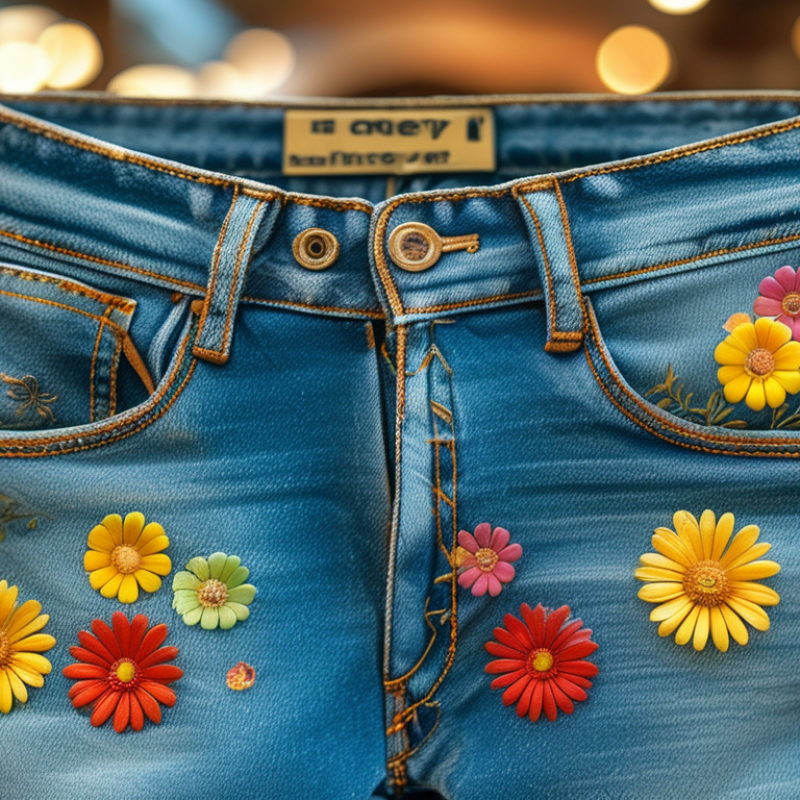
New denim jeans often arrive with a stiff and uncomfortable feel. Many wearers wish to soften them quickly. Studies show that nearly 80% of consumers consider comfort a top priority when purchasing denim. Stiff jeans can deter you from wearing them regularly.
One effective method involves washing and drying your jeans with a cup of white vinegar. Vinegar works as a natural softening agent. It helps break down the stiffness in the fabric. This technique not only softens the denim but also keeps the color vibrant. Another popular method is to wear your jeans during a workout. The natural movement and sweat can help soften the fabric. Just keep in mind, it may take several wears to achieve the desired softness.
Adding salt during the wash cycle is another trick. Salt helps to break down the fibers in the denim. This often leads to a more comfortable fit. However, some users report uneven softening. Additionally, don't neglect the classic method of frequent wear. It can be frustrating to wait for the break-in period. Denim’s structure changes over time, but the wait can be worth it for the perfect fit.
| Method | Effectiveness | Time Required | Notes |
|---|---|---|---|
| Wash and Wear | High | 1-2 washes | Best for gradual softening |
| Vinegar Soak | Moderate | 30 minutes | Use 1 cup of vinegar |
| Fabric Softener | High | 1 wash | Add during wash cycle |
| Dryer Method | Moderate | 20-30 minutes | Use dryer balls for better results |
| Wear Them Around | High | Variable | The more you wear, the softer they get |
Denim fabric has unique properties that make it both durable and sometimes rigid. This sturdy material, often made from cotton, is cherished for its long-lasting quality. However, new denim can feel stiff and uncomfortable, especially when first worn. Understanding denim's structure can help you soften it effectively.
Denim is woven in a way that creates a tight structure, which contributes to its strength. The weave and dyeing process often leave denim with a finished feel. While many love this, it can also leave new jeans feeling impenetrable. Washing your jeans can help, but it’s not always enough. Some people opt for fabric softeners, while others prefer natural methods like wearing them frequently to allow the fibers to relax.
A key point to consider is the balance between sturdiness and comfort. Over-softening can compromise the longevity of your jeans. Experimenting with different techniques can lead to a personalized softening method. People often find varying results, so it’s essential to reflect on what works best for you. Denim's character evolves with time and wear, offering a unique touch to every pair.
Stiff denim jeans can be quite uncomfortable. Fortunately, there are popular methods to soften them quickly. Washing them with fabric conditioner is a classic approach. Studies show that fabric softeners can improve fabric flexibility by up to 40%. Soaking jeans in a mixture of water and vinegar is another effective method. The vinegar helps break down the stiffness of the fibers, making them more pliable.
Another popular technique involves wearing the jeans while performing specific activities. This method allows the fabric to stretch naturally. Activities like squats or walking up stairs can help. Research indicates that repeated wear can reduce stiffness significantly after about three to five sessions. A special wash with baking soda also works wonders. This household ingredient can soften fabric and make it more manageable.
Of course, results can vary. Not all methods work equally well for every pair of jeans. Some might still feel stiff after trying these techniques. It's essential to experiment and find what suits your denim best. While the goal is to achieve comfort, be mindful that overdoing some methods may lead to diminished color or texture. Careful balance is key.
Denim is a timeless fabric, but new jeans can be stiff and uncomfortable. To maintain softness, it’s essential to understand your fabric. According to a report by the Denim Association, nearly 70% of consumers prefer soft denim. They seek comfort over style. So how can you keep your denim soft?
Washing your jeans in cold water is a simple yet effective step. This method prevents shrinkage and maintains fabric integrity. A study by the Textile Research Journal noted that avoiding harsh detergents can also preserve softness. So, consider using gentle soap that won't strip the fabric. Air drying is another key factor. It may take longer, but it helps retain the fabric’s natural texture.
Conditioning your denim can be overlooked. Soaking jeans in a mix of water and fabric softener can work wonders. One expert claims that this process can soften the fibers significantly. Additionally, you could try wearing your jeans regularly. Habits like this can gradually break in the fabric. However, the process may take time, reflecting the need for patience in achieving that perfect fit.
Washing and drying new denim jeans can significantly impact their comfort. When you first get a pair of stiff jeans, they may feel restrictive. A proper wash can help soften them quickly. Use cold water for the wash cycle. This method retains color and moisture in the fabric, reducing stiffness. It might feel counterintuitive to avoid hot water, but cold helps maintain the jeans' structure.
After washing, consider air drying. Hang the jeans outdoors for a more natural drying process. Sunlight can help break down fibers, making them less rigid. If you choose to use a dryer, set it on low heat. High heat can cause shrinkage, leading to discomfort. A little trial and error may be needed. You might prefer the feel of your jeans after experimenting with different drying methods.
Tips for softening your jeans involve patience. Try wearing them while they're slightly damp. This technique can mold them to your body shape over time. Additionally, applying fabric softener during the washing can create a smoother texture. Don't be afraid to explore different washing techniques until you find what works best. Denim care is as personal as your style. Embrace the journey.
: Wash them with a cup of white vinegar. It acts as a natural softening agent.
Yes, movement and sweat can help soften the fabric over time.
Adding salt during the wash cycle can break down fibers, but results may vary.
Consider wearing them frequently. It may take several sessions for a comfortable fit.
Cold water retains color and moisture, reducing stiffness while preserving the fabric's structure.
Yes, air drying is gentler. It allows sunlight to help break down fibers naturally.
Yes, fabric softeners can enhance flexibility, often improving texture significantly.
Always wash in cold water and avoid high heat during drying to maintain color vibrancy.
Wearing slightly damp jeans molds them to your body shape, potentially increasing comfort.
Absolutely. Denim care is personal; experimenting helps find what works best for you.
If you're wondering how to soften stiff new denim jeans, there are several effective methods to consider. Understanding the properties of denim fabric is crucial, as it helps to leverage its natural fibers while softening. Popular techniques include washing the jeans with fabric softener, using vinegar in the rinse cycle, or even wearing them frequently to break in the stiffness.
To maintain the softness of your denim, it's important to follow best practices for washing and drying. Always wash your jeans in cold water and hang them to dry rather than using a dryer, which can cause the fabric to stiffen again. With these tips in hand, you'll be well on your way to enjoying comfortable, soft denim jeans in no time.

NovaFair Fashion