How to Choose the Best Pants for Hot Weather Travel?

Time:2026-10-13 Author:Sienna
0%

Choosing travel pants for hot weather is not simply a matter of picking the thinnest fabric. Heat, humidity, walking distance, local customs, and laundry access all change the decision. The World Meteorological Organization’s State of the Global Climate 2024 reported that 2024 was the warmest year in recorded history, with global temperatures reaching about 1.55°C above the pre-industrial average. Warmer travel conditions make breathable, practical clothing increasingly important.

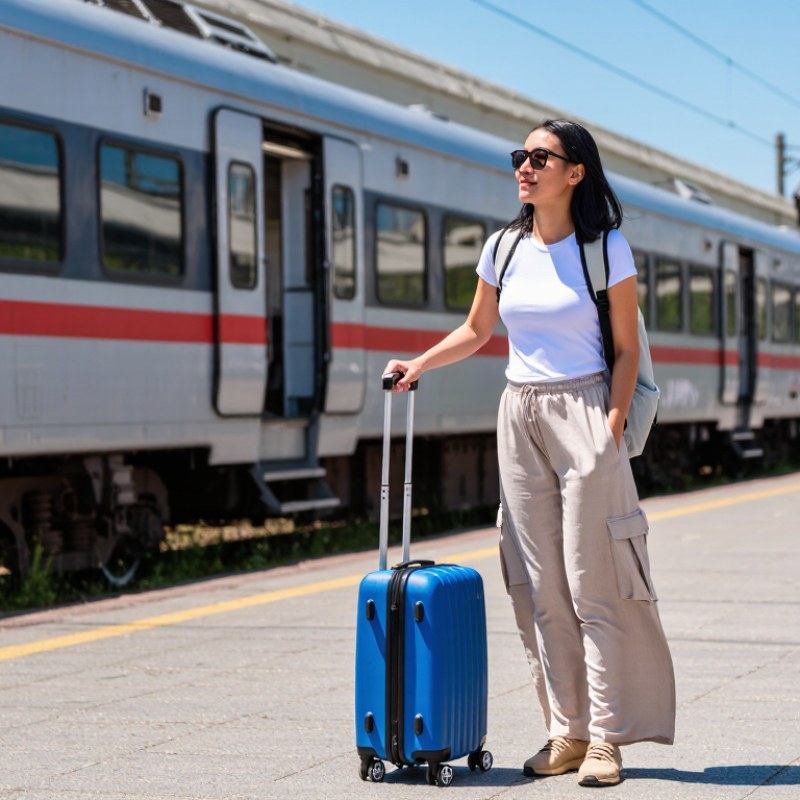
So, what pants are best for hot weather travel? The answer usually involves lightweight, loose-fitting trousers made from linen, cotton blends, or moisture-managing technical fabrics. The CDC recommends loose, lightweight, light-colored clothing during extreme heat. That advice matters when you are crossing a sunlit train platform with a backpack pressing against your lower back. Ventilation can feel more valuable than a fashionable cut. Quick-drying fabric also helps after a humid city walk or an unexpected rain shower.

Textile Exchange’s Materials Market Report shows polyester remains the dominant fiber in global production. However, high recycled content alone does not guarantee comfort, durability, or low environmental impact. That deserves more thought. I have found that pockets, waistband comfort, and drying time often matter more than a fabric label. Still, no pair works perfectly everywhere. Linen may wrinkle, cotton may dry slowly, and technical fabrics can feel clammy. The best choice balances airflow, movement, sun protection, modesty, and realistic care needs. A good travel wardrobe should survive real streets, not just look convincing in a product photograph.
How to Choose the Best Pants for Hot Weather Travel?

Map Heat, Humidity, and Activity Using NOAA Heat-Index Categories

How to Choose the Best Pants for Hot Weather Travel?

NOAA’s National Weather Service Heat Index chart combines air temperature and relative humidity. At 80–90°F, caution begins, especially during long walks. From 90–103°F, extreme caution applies. Heat illness becomes more likely with sustained activity. At 103–124°F, NOAA lists danger conditions. Above 125°F, extreme danger is possible. These thresholds describe shaded conditions with light wind, not every street corner.

Humidity changes clothing needs. At 90°F and 70% humidity, the heat index reaches about 109°F, according to NOAA’s calculator. Choose loose trousers with open ventilation and a quick-drying, breathable weave. Avoid tight waistbands and dense, dark fabric. They can trap sweat against your skin. In dry heat, lightweight woven pants may feel comfortable, even with more coverage. Bring a spare pair. Damp clothing can become unpleasant quickly.

Activity raises the risk further. A museum day needs less airflow than a steep walking tour. For danger-level conditions, plan shorter outdoor periods, carry water, and use shaded routes. The CDC advises recognizing heavy sweating, weakness, dizziness, and confusion as warning signs. My practical mistake was trusting the forecast temperature alone. It ignored humidity and luggage weight. A better choice is to check NOAA’s heat-index category each morning, then match pants to movement, shade, and drying time. Clearance matters. So does pocket weight.

How to Choose the Best Pants for Hot Weather Travel?

Use NOAA heat-index categories to match pants coverage, fabric breathability, and activity level with the apparent temperature.

NOAA defines heat index thresholds as 80–90°F for Caution, 90–105°F for Extreme Caution, 105–130°F for Danger, and 130°F or higher for Extreme Danger. For hotter conditions, choose lightweight, loose-fitting, breathable pants and reduce strenuous activity. The heat index is calculated for shaded conditions with light wind; direct sun can make conditions feel up to 15°F hotter.

Compare Fabric Weight and Breathability with ISO 11092 and ASTM D737

Choosing pants for hot-weather travel starts with fabric weight, but weight alone can mislead. A lightweight pair may feel cool in a shop yet trap moisture during a humid afternoon. I check the fabric’s mass in grams per square meter, then examine its weave, stretch, and lining. Thin, open constructions usually release heat faster. A dense fabric can feel warmer, even when it weighs less.

ISO 11092 provides a more technical comparison. It measures thermal resistance and evaporative resistance with a sweating guarded hotplate, often called a skin model. Lower evaporative resistance generally means sweat vapor can escape more easily. Lower thermal resistance usually indicates less insulation. These results help compare fabrics under controlled conditions. They do not perfectly predict comfort on a crowded train. Movement, pockets, waistbands, and rain change the experience.

ASTM D737 measures air permeability through fabric under a specified pressure difference. Higher airflow can suggest better ventilation, especially while walking beside a coastal road. Still, airflow is not the same as moisture transfer. A fabric may pass air well but dry slowly after washing. I prefer pants with moderate weight, low evaporative resistance, and useful air permeability. Check the test report carefully. Units, pressure settings, and fabric preparation matter. A personal trial remains necessary: wear the pants for two hours, climb stairs, and notice dampness behind the knees. My judgment is not always consistent. That is why laboratory data and real travel testing should challenge each other.

Choose UV Protection Rated UPF 30+ Under AS/NZS 4399

How to Choose the Best Pants for Hot Weather Travel?

For hot-weather travel, I look for trousers labelled UPF 30 or higher under AS/NZS 4399. This Australian and New Zealand standard tests fabric’s ultraviolet protection. A UPF 30 rating blocks most ultraviolet radiation, while UPF 50+ offers stronger protection. The label matters more than vague phrases such as “sun-safe” or “summer fabric.”

Lightweight fabric helps in humid streets and dry hiking paths. Still, thin material is not automatically protective. Hold the trousers toward a bright window and check for obvious gaps in the weave. Dense, breathable fabric usually performs better. A loose fit also reduces stretching, which can weaken the protection across knees and hips. Darker colours may absorb more heat, but fabric construction remains the main factor.

I once chose trousers for their cool texture alone. My ankles stayed comfortable, yet my exposed lower legs became noticeably red. It was a useful mistake. Check the coverage, waistband, hems, and pocket openings before packing. Protection can decrease when fabric becomes wet, stretched, or badly worn. UPF 30+ is helpful, not a replacement for shade, sunscreen, or regular breaks indoors. Fit matters too. If the trousers restrict movement, you may wear them less and lose their practical value.

Check Mobility, Moisture Management, and Drying Performance in Wear Tests

How to Choose the Best Pants for Hot Weather Travel?

Hot-weather travel demands more than lightweight fabric. The World Meteorological Organization reported that 2024 was the warmest year on record, increasing exposure to heat during urban trips and outdoor transfers. In wear tests, walk for 30 minutes, climb stairs, and sit for ten minutes. Watch the waistband, knees, and crotch. Do they restrict your stride? Do seams press against your skin? A trouser can feel loose in a fitting room yet fail on a crowded platform.

Moisture management needs measurable checks. AATCC TM195 evaluates liquid moisture movement across textile surfaces. Use it alongside a simple field test: wear the pants during a brisk walk, then check dampness at the lower back and behind the knees. Drying performance matters after washing. AATCC TM201 measures drying rate under controlled conditions. At home, weigh the garment wet, hang it indoors, and record its weight hourly. This is imperfect, but useful.

Look for a fabric that dries steadily, not merely one that feels thin. My own tests sometimes favored a slightly heavier, looser weave because it released heat better. That result challenged my first assumption. Fast drying also depends on pocket lining, seam density, and airflow. Reviewers should report temperature, humidity, activity, and drying time, or comparisons become unreliable. Mobility remains personal. A longer stride may expose limitations that a short fitting cannot reveal.

Verify Care Claims and Dimensional Stability Using AATCC 135 Testing

How to Choose the Best Pants for Hot Weather Travel?

Verify Care Claims and Dimensional Stability Using AATCC 135 Testing

Hot-weather travel demands pants that feel cool, dry quickly, and keep their shape. Lightweight fabric helps, but softness alone proves little. Check the care label before buying. Frequent washing can expose shrinkage, twisting, or unexpected stretching. A pair that fits perfectly in a fitting room may feel restrictive after several washes.

AATCC 135 testing measures dimensional changes after home laundering. The procedure evaluates length and width before and after controlled washing and drying. Test reports should identify the wash cycle, water temperature, drying method, and number of cycles. These details matter. A fabric may remain stable with low heat but shrink noticeably in a hot dryer. Ask whether the tested conditions match your travel routine.

Use the results to judge care claims with practical caution. Low dimensional change supports claims about size stability, but it does not guarantee comfort in every climate. Humidity, sweat, luggage pressure, and repeated sitting can still alter performance. Look for a clear measurement, not vague wording such as “wash safe.” A useful fitting lesson is simple: leave slight room at the hips and thighs, especially when fabric has limited stretch. I would also question perfect-sounding claims. Laboratory testing is controlled, while travel is messy. That difference deserves attention.

How to Choose the Best Pants for Hot Weather Travel? – Verify Care Claims and Dimensional Stability Using AATCC 135 Testing

A practical comparison framework for evaluating lightweight travel pants before purchase or production

Evaluation Dimension Lightweight Linen or Linen Blend Cotton Poplin or Twill Polyester Woven Stretch Nylon Woven Stretch Travel Decision Guide
Fiber and construction Cellulosic fiber; plain weave or blended plain weave Cellulosic fiber; plain weave or twill Synthetic filament or spun yarn; plain weave with elastane Synthetic filament; plain weave or ripstop with elastane Open, lightweight constructions generally improve air exchange, but actual comfort depends on fabric mass, fit, finish, and humidity.
Typical hot-weather comfort Good airflow and a cool hand; may feel damp when wet Comfortable but can feel heavier and slower to dry than synthetics Usually light and quick-drying; may feel less breathable if tightly woven Lightweight, abrasion-resistant, and quick-drying; comfort varies with fabric openness Prioritize low mass, sufficient air permeability, and a fit that does not restrict movement.
Moisture and drying claim to verify Do not assume “breathable” means fast-drying; verify drying time under a defined test protocol Absorbs moisture readily; verify whether the garment remains comfortable after repeated washing Often supports quick-dry claims; test absorbency, drying rate, and wicking separately Often dries quickly; verify that durable water-repellent finishes do not reduce moisture comfort “Quick-dry,” “moisture-wicking,” and “breathable” are different claims and require different evidence.
Care-label risk Higher risk of shrinkage, creasing, and shape change if washed or dried aggressively Moderate shrinkage risk; heat can increase dimensional change Generally lower thermal shrinkage risk, but elastane and finishes may affect performance Generally good dimensional stability; heat and elastane content still require verification Compare the proposed care label with the laundering procedure used in testing; claims should not be broader than the evidence.
AATCC 135 test focus Measure length and width change after the declared laundering method; monitor skew and seam distortion Measure shrinkage after repeated laundering, especially in the leg length and waistband area Measure length, width, and recovery after laundering; inspect elastane-related growth or torque Measure dimensional change and check pocket, waistband, and articulated-panel distortion Use AATCC 135 to evaluate dimensional change after home laundering, not to substantiate drying or wicking claims.
Recommended traveler profile Best for airflow and relaxed itineraries where natural texture is acceptable Best for everyday versatility when a slightly heavier hand is acceptable Best for low-luggage travel, frequent washing, and rapid drying Best for active travel, abrasion exposure, and variable weather Select based on the balance of comfort, drying behavior, durability, stretch, and verified care performance.

AATCC 135 Dimensional Stability Verification Checklist

Test Item What to Record Why It Matters for Travel Pants Decision Rule
Specimen preparation Fabric identity, garment style, finish, size, and conditioning information Dimensional behavior differs by fiber, construction, finish, and garment component. Test production-representative samples, not only development swatches.
Reference points Initial and post-wash measurements in both length and width directions Small changes can affect inseam, waistband fit, pocket placement, and mobility. Define product-specific tolerances before testing.
Laundering procedure Applicable AATCC 135 washing and drying option, number of cycles, water temperature, and drying method A care claim is meaningful only when the test reflects the intended consumer care instruction. Match the test route to the care label and disclose deviations.
Dimensional change calculation Percentage change for each marked length and width measurement Separates length shrinkage from width shrinkage and helps identify fit risks. Use the agreed tolerance; do not average away a critical local defect.
Appearance inspection Twist, skew, seam torque, puckering, waistband distortion, and pocket movement A garment may meet an overall measurement tolerance yet still look or fit unacceptable. Combine numerical results with visual and fit assessment.
Important: AATCC 135 evaluates dimensional changes in fabrics and garments after home laundering. It does not, by itself, verify breathability, moisture wicking, UV protection, odor control, or quick-drying performance. Those claims require appropriate separate test methods and defined acceptance criteria.

FAQS

How does humidity affect pants for hot-weather travel?

At 90°F and 70% humidity, heat may feel near 109°F. Choose loose, breathable trousers with open airflow.

Which pants work best during long walks?

Look for room at the hips, thighs, and knees. Test a full stride, stairs, and ten minutes of sitting.

Should travelers choose shorts or longer pants in dry heat?

Lightweight woven pants can feel comfortable in dry heat. More coverage may work when sweat evaporates quickly.

What fabric details help manage sweat?

Choose a breathable weave that dries steadily. Check dampness behind the knees and at the lower back.

How can travelers test drying performance at home?

Weigh the garment when wet. Hang it indoors and record its weight every hour.

Do lightweight pants always feel cooler?

No. My first choice was too thin. A slightly heavier, loose weave released heat better.

How should travelers check pants before a hot trip?

Walk for 30 minutes, climb stairs, then sit. Watch for tight waistbands, pressed seams, or restricted knees.

Can repeated washing change the fit?

Yes. Washing and drying may cause shrinkage, twisting, or stretching. Check measurements after several realistic wash cycles.

What should travelers pack for damp conditions?

Bring a spare pair. Damp clothing can feel unpleasant quickly, especially during crowded transfers.

When should outdoor activity be shortened?

Danger-level heat requires shorter outdoor periods, water, and shaded routes. Stop if weakness, dizziness, confusion, or heavy sweating appears.

Conclusion

What pants are best for hot weather travel depends on the heat, humidity, and activities you expect to encounter. Use NOAA heat-index categories to assess environmental stress, then compare lightweight fabrics by breathability and thermal comfort. ISO 11092 can help evaluate water-vapor resistance, while ASTM D737 provides useful information about air permeability. For destinations with strong sunlight, consider trousers or shorts rated UPF 30 or higher under AS/NZS 4399, especially when spending long periods outdoors.

A practical choice should also support easy movement, manage moisture, and dry quickly after washing or heavy perspiration. Wear tests can reveal whether the fabric feels comfortable during walking, climbing, or extended sightseeing. Finally, verify care instructions and check dimensional stability through AATCC 135 testing, since repeated washing may affect fit and performance. The best travel pants combine reliable sun protection, airflow, comfort, durability, and simple maintenance without adding unnecessary weight.

Sienna

Sienna

Sienna is a skilled marketing professional with a deep expertise in our company’s core products and services. With a passion for innovation and detail, she plays a pivotal role in crafting insightful blog posts that not only highlight the unique features of our offerings but also provide valuable......